What is an Audio Door Intercom and How Does It Work?
The demand for home security has surged in recent years. According to a report by MarketsandMarkets, the global intercom system market is expected to reach $26.1 billion by 2025. An Audio Door Intercom is a key player in this market. These systems enhance security by allowing homeowners to communicate with visitors before granting access.
Audio Door Intercoms offer an effective solution for managing entry points. They utilize intercom technology to provide clear audio communication. Features such as noise cancellation and high audio quality have made them popular. Many users appreciate the convenience of hands-free operation. However, some systems face issues with connectivity in large homes. Addressing these concerns is crucial for overall reliability.
Real-world applications show the effectiveness of Audio Door Intercom systems. Homeowners report feeling safer with the ability to screen visitors. Yet, it's important to recognize the limitations. Poor placement can hinder functionality. As technology advances, improving these systems will be essential for maintaining user trust and meeting security needs.
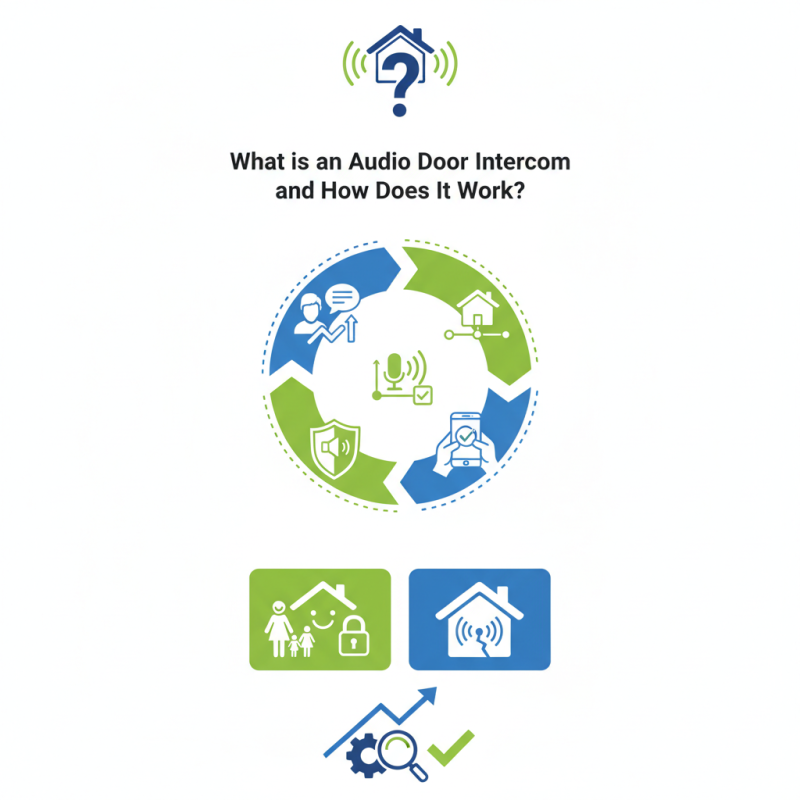
What is an Audio Door Intercom?
An audio door intercom is an essential device for modern homes and businesses. It allows occupants to communicate with visitors at their door without opening it. This added layer of security enhances peace of mind. Users can easily press a button to initiate a conversation. This feature is especially beneficial for those with mobility challenges.
These intercom systems typically consist of two main components: an external unit and an internal unit. The external unit is installed near the entrance. It usually features a microphone and a speaker. Visitors speak into this unit, and the occupant hears them through the internal unit. The quality of sound is integral to effective communication. Poor audio clarity can lead to misunderstandings.
While audio door intercoms simplify communication, they are not foolproof. Background noise can interfere with sound quality. Additionally, some models may lack durability. Users should consider these aspects when selecting a unit. It’s crucial to choose a system that balances performance and reliability. Regular maintenance can also help in addressing any issues that arise over time.
Key Components of an Audio Door Intercom System
Audio door intercom systems are essential for modern security. They allow communication between the door and the resident. This system typically includes several key components that enhance its functionality.
The main element is the exterior intercom unit. It is usually weatherproof and equipped with a microphone and speaker. Visitors press a button to contact residents. Inside, a corresponding unit allows residents to hear and respond. This two-way communication is vital for screening visitors before granting access.
Connections are also important. Most audio intercom systems use wired connections. However, wireless options are available as well. The audio quality can depend on the connection type. Poor connections may lead to unwanted noise or interruptions.
Tips: Always check and maintain the quality of your intercom. Regularly clean the speaker and microphone. Ensure the exterior unit is functioning properly, as it faces various weather conditions. Consider the placement of both units for optimal communication.
Lastly, think about the installation process. It can be tricky. Hiring a professional can save time and ensure quality. If you choose a DIY approach, ensure you follow the installation instructions carefully.
How Audio Door Intercoms Function: A Step-by-Step Guide
Audio door intercoms offer a convenient way to communicate with visitors at your door. These devices integrate audio communication with security features. You can hear a visitor and decide whether to let them in, making it a vital addition to home safety.
To understand how these intercoms function, start with installation. The device typically mounts near your entryway. Visitors press a button to signal you. An internal speaker and microphone allow clear communication. You can respond using a connected handset or intercom unit inside your home. This two-way audio system is straightforward yet effective.
Communication technology has improved these devices. Digital signals provide clearer audio quality. Installation might require basic wiring knowledge. One must address potential interference from other devices. Reflect on your home layout. Placement of the intercom is essential for optimal performance. A poorly placed unit may lead to miscommunication. Ensuring reliability demands careful planning.
Benefits of Using an Audio Door Intercom
Audio door intercoms provide a secure and convenient way to communicate with visitors at your door. They consist of a speaker and microphone system, allowing you to interact without opening the door. This is particularly useful for controlling access to your property. Many people appreciate the peace of mind these devices offer.
Using an audio door intercom can enhance your home security. It allows you to screen visitors before granting access. This can deter unwanted visitors, providing an extra layer of protection. Besides security, these intercoms offer ease of communication. You can speak with delivery personnel or guests from anywhere in your home.
Tips: Ensure the intercom system is installed in a location where it's easily accessible. Regular maintenance checks can improve its longevity. Also, consider the audio quality; clearer sound enhances communication effectiveness. While audio intercoms are beneficial, they're not foolproof. Relying solely on them may lead to vulnerabilities. Reflect on integrating additional security measures for a comprehensive system.
Installation and Maintenance Considerations for Audio Door Intercoms
When considering the installation of an audio door intercom, several factors come into play. Accurate positioning of the intercom unit is crucial. It should be easily reachable by users. Research indicates that over 30% of intercom failures stem from improper installation. Proper alignment can improve durability and functionality, reducing the need for repairs.
Regular maintenance is essential for the longevity of audio door intercoms. Dust and moisture can affect sound quality. A study by the Security Industry Association found that effective maintenance can extend the life of these systems by up to 50%. Users should routinely check connections and clean the units. Simple steps can prevent larger issues down the line.
However, the need for continuous improvements exists. Many users are unaware of the specific upkeep required for different intercom models. This gap can lead to operational failures. Education can empower users to ensure their systems function correctly. Increased awareness about maintenance is crucial in enhancing reliability. Balancing effective installation with ongoing care can significantly impact performance and user satisfaction.