What Are the Benefits of Diaphragm Valve in Industrial Applications
Diaphragm valves play a crucial role in various industrial applications. These valves are known for their unique design and functionality. They offer excellent control over fluid flow, making them highly valued in sectors like chemical processing and water treatment.
One significant benefit of diaphragm valves is their ability to handle corrosive materials. This makes them a preferred choice in harsh environments. Moreover, the design minimizes the risk of contamination, which is vital in food and beverage industries. However, not all diaphragm valves perform equally; selection requires careful consideration.
Some users may overlook maintenance aspects. A poorly maintained diaphragm valve can lead to performance issues, affecting overall efficiency. Finding the right balance between cost and quality is essential. Understanding the specific needs of an application can prevent potential complications. In essence, diaphragm valves offer great advantages, but choosing the right one necessitates introspection and thoughtful analysis.
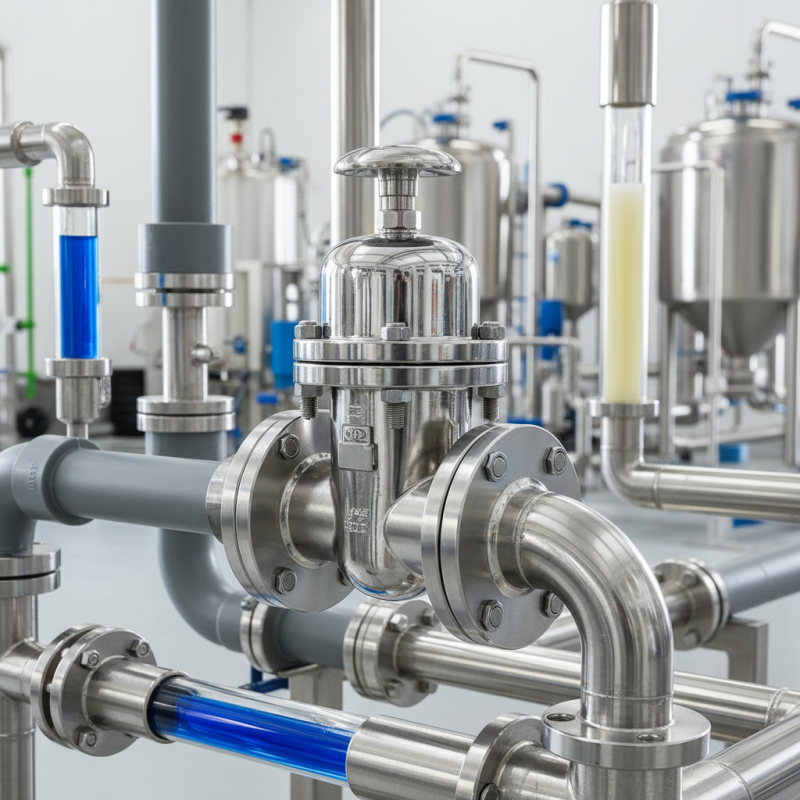
Benefits of Diaphragm Valves in Industrial Applications
Diaphragm valves offer numerous advantages in industrial settings. They are particularly effective in handling corrosive fluids and slurries. According to a report by the Global Market Insights, diaphragm valves are expected to witness a 6% growth rate over the next five years. This growth is largely due to their ability to provide excellent leak-proof sealing. Such features reduce the risk of contamination in sensitive processes, especially in the pharmaceutical and food industries.
Moreover, diaphragm valves exhibit low maintenance requirements compared to other valve types. This is significant as facilities aim to minimize downtime. Studies show that facilities can reduce maintenance costs by up to 30% when utilizing diaphragm valves. However, it's essential to recognize that they also have limitations. Their use at high pressures or temperatures may not be ideal. This inherent compromise must be considered during the selection process.
In practical terms, the adaptability of diaphragm valves shines through in various applications. They effectively control flow in water treatment plants, chemical processing, and even in oil and gas operations. Still, the failure to identify specific application requirements can lead to operational inefficiencies. While diaphragm valves are robust, they may not always be the best choice for every application. Understanding these nuances is critical for optimal performance in industrial systems.
What Are the Benefits of Diaphragm Valve in Industrial Applications
| Benefit |
Description |
| Leak Tightness |
Diaphragm valves provide excellent sealing capabilities, preventing leaks and ensuring safety in applications involving hazardous materials. |
| Flow Control |
They allow for precise flow control, making them suitable for applications requiring specific flow rates. |
| Corrosion Resistance |
Constructed from various materials, diaphragm valves can be selected to resist corrosion from aggressive chemicals. |
| Ease of Maintenance |
These valves typically have fewer moving parts, allowing for easier maintenance and reduced downtime. |
| Compact Design |
Their compact size makes diaphragm valves ideal for installations with limited space available. |
| Versatility |
Suitable for various fluids, including gases, slurries, and viscous liquids, enhancing their applicability across multiple industries. |
Enhanced Flow Control Capabilities of Diaphragm Valves
Diaphragm valves have unique advantages in industrial flow control. Their design allows for precise adjustments in flow rate and pressure. This capacity for enhanced flow control is essential in various applications. For industries handling corrosive or viscous fluids, diaphragm valves offer reliable performance. They efficiently modulate fluid movement, minimizing leaks and ensuring safety.
Tips: Regular maintenance of diaphragm valves can significantly enhance their performance. Ensure that diaphragms are checked for wear and tear. Replace them as needed to avoid unexpected downtimes.
Another notable feature of diaphragm valves is their ability to handle slurries. The flexible diaphragm isolates the fluid from the actuator. This design reduces the risk of contamination and is crucial for industries like pharmaceuticals. However, operators should be mindful of the diaphragm's material compatibility with specific fluids.
Tips: Always consult material compatibility charts before selecting diaphragm materials. This step can prevent costly errors in valve selection. Monitoring operational conditions also helps in optimizing valve performance.
Benefits of Diaphragm Valves in Industrial Applications
Improved Leakage Prevention and Safety Features
Diaphragm valves are gaining attention in industrial applications due to their excellent leakage prevention capabilities. According to a recent industry report, diaphragm valves can reduce leakage incidents by up to 90%. This is significant in sectors like pharmaceuticals and food processing, where even small leaks can lead to contamination. The design of diaphragm valves minimizes the risk by using a flexible membrane, creating a tight seal. This unique feature offers enhanced safety, which is essential in high-pressure environments.
In industries dealing with hazardous materials, safety is paramount. A study published in the Journal of Loss Prevention in the Process Industries noted that diaphragm valves help maintain system integrity. Their design helps prevent cross-contamination and reduces the chances of accidents. However, it’s essential to recognize that diaphragm valves are not infallible. Over time, the diaphragm itself may wear out, leading to potential risks.
Regular maintenance and monitoring are crucial to ensure their ongoing effectiveness.
Moreover, while diaphragm valves are advantageous, they could be less efficient in high-flow applications. Some industries may opt for other valve types that allow for greater flow rates. Understanding these limitations is essential for making informed decisions about valve selection. Thus, while diaphragm valves provide clear benefits, it’s necessary to weigh their pros and cons in specific applications.
Resilience to Corrosive and Abrasive Media
Diaphragm valves are crucial in industrial settings, especially when dealing with corrosive and abrasive media. Their design allows them to withstand harsh environments. Made of robust materials, these valves resist damage from aggressive substances. This makes them ideal for chemical processing, wastewater management, and mining operations.
When handling abrasive materials, diaphragm valves excel. The soft sealing mechanism provides a tight seal, reducing the risk of leaks. This feature minimizes potential equipment failure. However, not all diaphragm valves are created equal. Some may wear down faster than expected under extreme conditions. Regular inspection is essential to ensure reliability and performance.
In addition, their ability to handle corrosive chemicals is impressive. The barrier created by the diaphragm protects internal components from contact with harmful substances. This protection significantly enhances valve longevity. Yet, improper maintenance can lead to issues. Operators often overlook routine checks, which can result in costly downtime. Awareness and attention in maintenance practices are vital for optimal valve operation.
Ease of Maintenance and Replacement in Industrial Settings
Diaphragm valves offer significant advantages in industrial settings, particularly regarding maintenance and replacement. These valves are designed with a simple structure, making disassembly straightforward. This ease of access can minimize downtime during routine maintenance, which is crucial for operational efficiency. Technicians can quickly inspect and replace diaphragms without needing specialized tools.
However, not all diaphragm valves are equal. Some may require more frequent replacements due to wear or material degradation. This can reflect the quality of the initial installation. If the valve isn’t chosen properly for a specific application, it can result in unnecessary challenges. Moreover, while the maintenance process is generally efficient, users sometimes overlook signs of wear until it's too late.
In large facilities, discrepancies in valve performance can lead to larger issues. A single malfunctioning valve might source inaccurate readings in fluid systems. This can impact overall operations, leading to more extensive repairs. It's essential to establish a routine that not only checks function but also recognizes when a valve's reliability might be diminishing. Investing time in proper training and regular checks can greatly enhance the effectiveness of diaphragm valves in maintaining smooth industrial operations.
Conclusion
Diaphragm valves are increasingly utilized in industrial applications due to their numerous benefits. One of the primary advantages is their enhanced flow control capabilities, allowing for precise modulation of fluid flow in various processes. Additionally, diaphragm valves feature improved leakage prevention and safety features, which are crucial for maintaining operational integrity and preventing hazardous leaks, particularly in sensitive environments.
These valves also demonstrate remarkable resilience to corrosive and abrasive media, making them suitable for applications in industries such as chemicals, pharmaceuticals, and food processing. Furthermore, ease of maintenance and replacement is a significant factor, as these valves can be serviced quickly, minimizing downtime in industrial settings. Overall, diaphragm valves serve a critical role across various industries, contributing to efficiency, safety, and operational reliability.