Top 10 Benefits of Using PVC Tarpaulin for Your Needs?
PVC Tarpaulin is becoming increasingly popular in various industries. This material is known for its durability and versatility. According to a recent industry report, the global PVC tarpaulin market is expected to grow significantly, driven by its applications in construction, agriculture, and transportation.
One of the standout benefits of PVC Tarpaulin is its water resistance. It can withstand heavy rain and humidity, making it ideal for outdoor uses. In addition, PVC Tarpaulin is UV resistant. This adds to its longevity when used for awnings or covers. The strength of PVC Tarpaulin can prevent tearing or damage in strong winds. Many businesses rely on this quality to protect their goods effectively.
However, the production of PVC Tarpaulin is not without environmental concerns. While it offers many benefits, the manufacturing process can be resource-intensive. Users should consider these factors carefully. By weighing the pros and cons, individuals can determine if PVC Tarpaulin meets their specific needs.
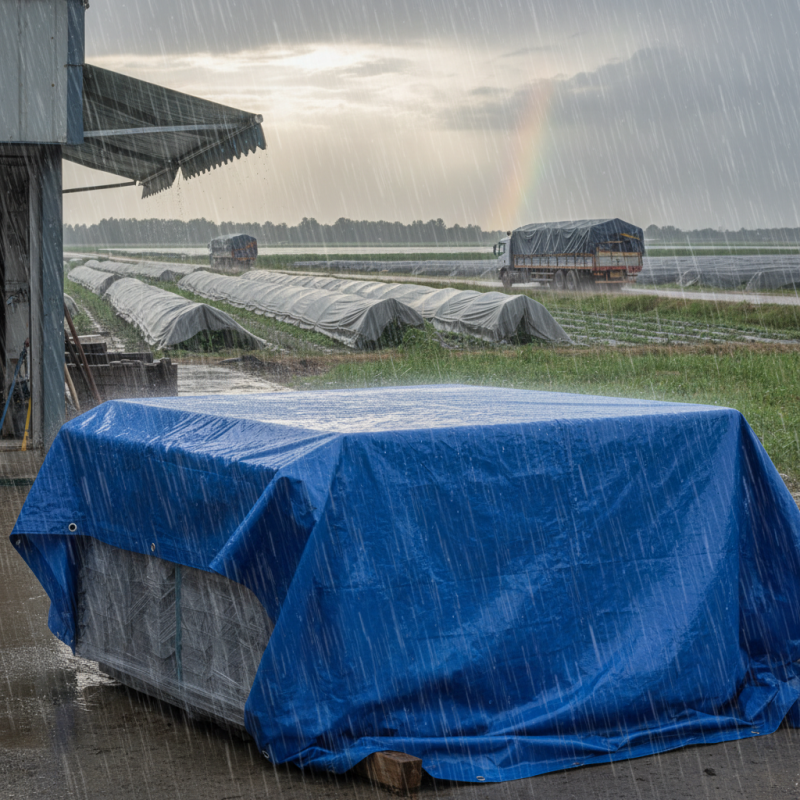
Benefits of PVC Tarpaulin in Construction and Infrastructure Projects
PVC tarpaulin is a versatile material widely used in construction and infrastructure projects. Its durability makes it an ideal choice for temporary structures. For instance, it protects equipment from rain and dust during outdoor work. This helps maintain productivity and safety on job sites. The waterproof properties prevent damage to valuable assets, ultimately saving costs.
Another significant advantage is its lightweight nature. Workers can easily transport and install PVC tarpaulin without heavy machinery. This flexibility speeds up project timelines. However, not all PVC tarpaulins are of the same quality. It is essential to ensure that the right type is chosen for specific needs. Sometimes, the material may need reinforcement to withstand harsh weather conditions.
Moreover, PVC tarpaulin is customizable. Contractors can print logos or safety instructions directly onto the material. This feature enhances visibility and communication on-site. Yet, it’s important to reflect on how often maintenance of these tarpaulins is overlooked. Regular checks can prevent unexpected failures. Ultimately, using PVC tarpaulin can significantly benefit construction operations when used mindfully.
Durability and Longevity: Performance Metrics of PVC Tarpaulin
PVC tarpaulin stands out for its exceptional durability and longevity. This material can withstand harsh weather conditions, making it ideal for outdoor use. Its resistance to UV rays prevents fading, ensuring vibrant colors over time. Furthermore, PVC tarpaulin remains unaffected by moisture, which means it resists mold and mildew. Users often appreciate its resilience against tearing and abrasion. These features make it a reliable choice for various applications.
However, some may overlook the fact that PVC, while strong, can become brittle in extreme cold. This limitation may affect performance under specific conditions. It’s worth considering that the weight of the material can also be a drawback. Heavier tarpaulins may be cumbersome to handle. Users might need to assess their needs carefully, especially in terms of portability. Ultimately, while PVC tarpaulin offers considerable benefits, evaluating the specific environment and application is essential.
Cost-Effectiveness: Analyzing the Price-to-Value Ratio of PVC Tarpaulin
When it comes to choosing materials for durability and affordability, PVC tarpaulin stands out. Its price-to-value ratio makes it an attractive option for many applications. This material is known for its robust qualities, providing excellent protection from harsh weather conditions. Whether used for tents, covers, or industrial needs, it offers long-lasting service.
PVC tarpaulin is not just about cost savings. It is lightweight yet strong. This balance makes it easy to transport and set up. However, one should consider the environmental impact. Although it is durable, the production process may involve chemicals that can be harmful. This aspect raises questions about its sustainability.
In conclusion, while PVC tarpaulin is affordable and versatile, it has drawbacks. Balancing costs with environmental responsibility is essential. Users should reflect on their choices, considering both the immediate benefits and the long-term effects on nature. The right decision is vital for future applications.
Top 10 Benefits of Using PVC Tarpaulin for Your Needs - Cost-Effectiveness: Analyzing the Price-to-Value Ratio of PVC Tarpaulin
| Benefit | Description | Cost-Effectiveness Score (1-10) |
| Durability | High resistance to wear and tear, making it suitable for long-term use. | 9 |
| Waterproof | Completely waterproof, ideal for outdoor applications. | 10 |
| UV Resistance | Resistant to UV rays which prolongs its lifespan. | 8 |
| Lightweight | Easier to handle and transport due to its light weight. | 7 |
| Cost-Effectiveness | Provides great value for its price, minimizing long-term costs. | 9 |
| Versatility | Can be used for various applications, from tents to covers. | 8 |
| Easy Maintenance | Simple to clean and maintain, ensuring longevity. | 8 |
| Eco-Friendly Options | Available in recyclable forms, lessening environmental impact. | 7 |
| Color Variety | Offered in multiple colors, allowing for customization. | 6 |
| Availability | Widely available in the market, ensuring easy access. | 9 |
Versatility of PVC Tarpaulin: Applications Across Various Industries
PVC tarpaulin has gained traction across various industries due to its remarkable versatility. In construction, it serves as a reliable covering. Its waterproof feature protects materials from rain and moisture. According to a report by Allied Market Research, the global tarpaulin market is projected to reach over $1.3 billion by 2027, reflecting rising demand from sectors like agriculture and logistics.
In agriculture, PVC tarpaulin acts as an effective ground cover. It aids in preventing weed growth and soil erosion. Farmers increasingly rely on this material to improve crop yield. A recent study highlighted that the use of tarpaulin could enhance soil moisture retention by up to 30%. However, it's worth considering the environmental implications of PVC production.
The logistical sector also benefits from PVC tarpaulin. It is often used to create truck covers, ensuring goods remain dry during transit. This flexibility helps businesses reduce losses. Yet, some users express concerns about the material’s durability under extreme conditions. Balancing cost-effectiveness and performance is vital for long-term use.
Top 10 Benefits of Using PVC Tarpaulin
This chart illustrates the top 10 benefits of using PVC tarpaulin, showcasing attributes such as durability, water resistance, and eco-friendliness, which make PVC tarpaulin a favorable choice across various industries.
Environmental Impact: Sustainability Factors of PVC Manufacturing and Usage
PVC tarpaulin is widely recognized for its durability and versatility. However, its environmental impact deserves careful consideration. PVC manufacturing releases harmful substances, and its production processes contribute to pollution. The Vinyl Institute reports that vinyl production accounts for about 0.05% of U.S. greenhouse gas emissions. That's a small fraction but it’s still notable.
Recycling PVC is challenging, but it's not impossible. According to the European PVC Industry, about 20% of PVC is recycled in Europe. This statistic highlights the potential for improvement. Initiatives aimed at enhancing recycling could reduce waste significantly. Still, many tarpaulins end up in landfills, where they take a long time to decompose.
Despite these concerns, some argue that PVC tarpaulin offers longevity, which can be a sustainable choice in the long run. A sturdy tarpaulin can last for years, reducing the need for replacements. However, the initial environmental cost of production cannot be ignored. We must acknowledge both the benefits and drawbacks to make informed choices.