How to Choose the Best Water Flow Control Valve for Your Needs?
Choosing the right water flow control valve can improve efficiency. With many options available, the decision can be overwhelming. It's not just about picking any valve. Each water flow control valve serves a specific purpose.
Consider your needs carefully. Are you controlling water flow for a garden, home plumbing, or an industrial application? The right choice can prevent leaks and save money. However, many individuals often overlook important details. They may focus only on price or brand rather than functionality.
Technical specifications matter. Think about your system's pressure and flow requirements. Dimensions are also crucial. A valve that is too big or too small can cause problems. Evaluating all these factors is necessary for optimal performance. Sometimes, the simplest choice might not be the best. Reflection and research are key in this process.
Understanding Water Flow Control Valves: Types and Functions
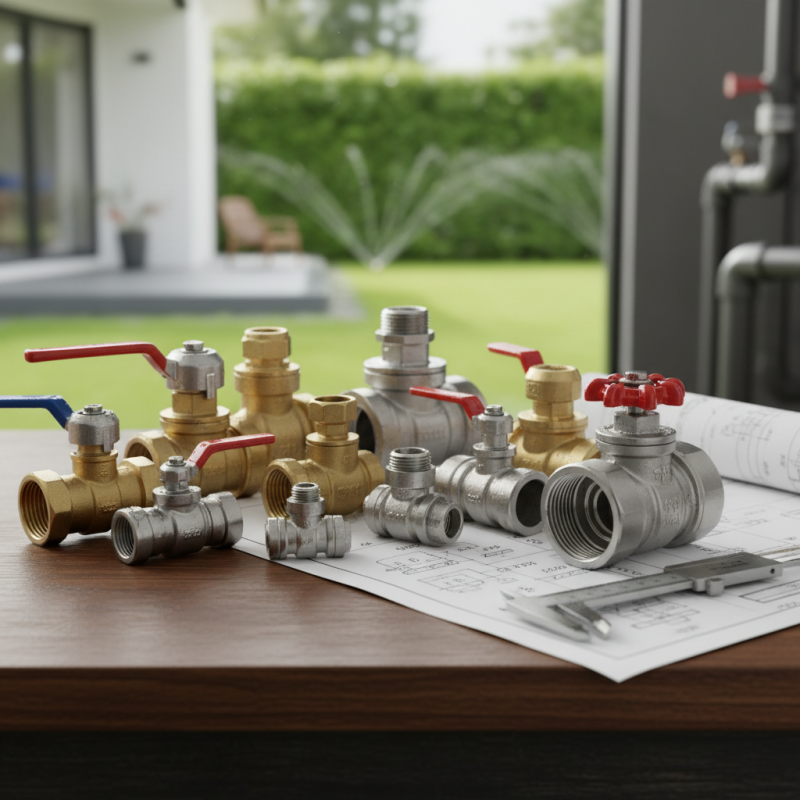
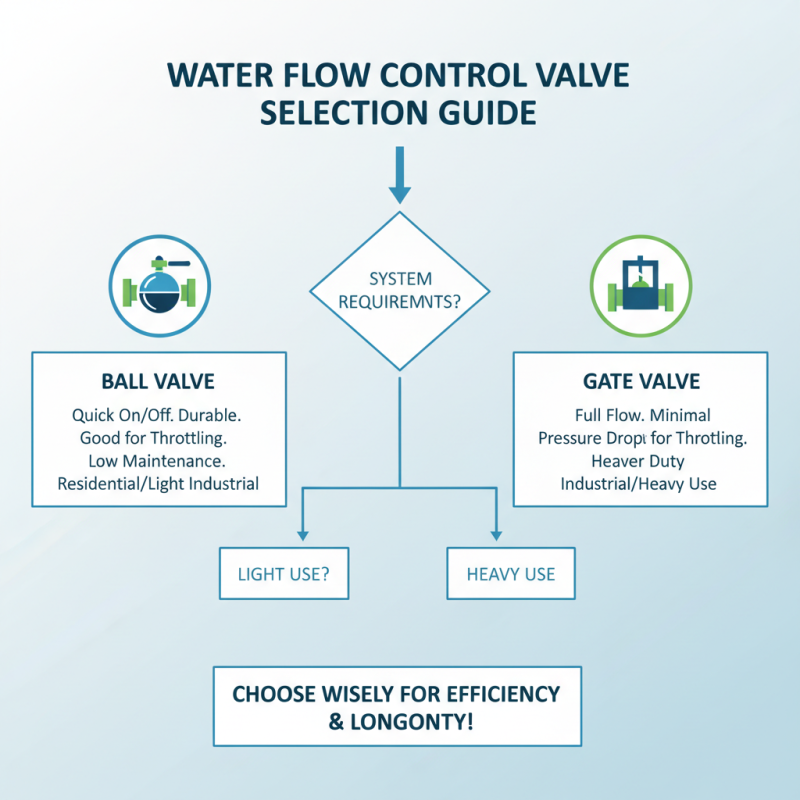
Water flow control valves come in various types, each serving a specific function. Understanding these types is crucial for making the right choice. One common type is the globe valve, which provides excellent flow regulation. It’s often used in applications requiring precise control. Another option is the ball valve, known for its quick shut-off capability. If you need a reliable on/off function, this valve works well.
Consider also the gate valve, often used in larger pipelines. It allows full flow when fully open but may be less effective for flow regulation. The butterfly valve is another choice that offers a compact design. It's suitable for applications needing rapid flow control, but it can be sensitive to pressure changes.
It's essential to assess your specific needs before making a decision. Think about the pressure and temperature of your system. Each valve type has its strengths and weaknesses. Misjudging these factors could lead to inefficiencies. Always reflect on the environment where the valve will be installed. This helps ensure that you choose the best option for your needs.
Assessing Your Specific Applications for Optimal Valve Selection
Choosing the right water flow control valve involves careful consideration of your specific needs. Different applications require various valve types. For instance, irrigation systems might benefit from a simple gate valve, while industrial processes may need more complex automated options. Understanding the medium flow rates and pressure requirements is crucial. What works in one scenario may not suit another.
Assess your environment. Is it residential or industrial? The materials used in valves vary widely. Some materials resist corrosion better. Others may handle higher pressures efficiently. Consider factors like temperature and chemical compatibility. This helps you avoid future issues.
Reflect on your long-term needs as well. Can the valve handle future upgrades? Sometimes, a more flexible option is wise. Think about maintenance too. A valve that’s hard to access might cause trouble later. Simple and reliable choices often lead to fewer headaches. Balancing these elements can lead to an optimal solution.
How to Choose the Best Water Flow Control Valve for Your Needs?
| Application |
Valve Type |
Size (inches) |
Material |
Pressure Rating (psi) |
Temperature Range (°F) |
| Irrigation |
Gate Valve |
2 |
PVC |
150 |
32 to 100 |
| Industrial Processing |
Ball Valve |
3 |
Stainless Steel |
300 |
-20 to 250 |
| Residential Plumbing |
Check Valve |
1 |
Brass |
150 |
32 to 180 |
| Fire Protection |
Butterfly Valve |
4 |
Cast Iron |
250 |
32 to 200 |
| Food & Beverage |
Diaphragm Valve |
1.5 |
Santoprene |
150 |
32 to 180 |
Evaluating Quality and Cost: Finding the Right Balance in Valves
Choosing the right water flow control valve involves understanding both quality and cost. High-quality valves often come with a higher price tag. Yet, investing in a durable valve can save you money over time. You may need to replace cheaper valves frequently, leading to increased stress and costs.
Consider the materials used in valve construction. Brass and stainless steel tend to last longer than plastic. Evaluate their performance under pressure conditions as well. Cheap options might seem tempting but could cause leaks or failures. A fine balance is essential to meet your specific needs.
Not every high-priced valve guarantees superior performance. Sometimes, mid-range valves perform better in real scenarios. Assess reviews and user experiences to make informed choices. Don't solely focus on the brand or price. Reflect on your requirements and environment. Finding the ideal valve may require exploration and patience.
Water Flow Control Valves: Quality vs Cost Analysis
Installation and Maintenance Tips for Long-Lasting Performance
When installing a water flow control valve, proper setup is vital. According to industry reports, nearly 30% of valve failures stem from improper installation. Ensure you read the manufacturer's guidelines carefully. Mount the valve in a location that’s easily accessible. This makes maintenance simpler and quicker. Use thread sealants to prevent leaks. A small oversight can lead to significant water loss.
Routine maintenance extends the lifespan of your valve. Regularly check for signs of corrosion or wear. Industry studies suggest that valves can last over 10 years with proper care. Clean the valve regularly to avoid clogs. Some users neglect this step, unaware of the impact. It’s also essential to operate the valve periodically. This prevents it from seizing up. An abandoned valve is more likely to fail when you need it most. Regular attention is key to reliable performance.