How to Choose the Right Pneumatic Valve for Your Needs?
Choosing the right pneumatic valve is crucial for any fluid control system. These valves play a significant role in regulating pressure and flow. With various types available, making the right choice can be overwhelming. Each pneumatic valve has specific applications and attributes. Understanding these can lead to enhanced system performance.
When selecting a pneumatic valve, consider the pressure requirements. Different valves handle varying pressure ranges. Additionally, pay attention to the valve's response time. Quick response valves may be needed for certain applications, while others might function adequately with slower options.
Compatibility is another essential factor. Ensure the valve material matches the fluids used. Mismatched materials can lead to corrosion or failure. This choice requires careful consideration and expertise. It's easy to overlook details, but doing so could result in costly errors down the line. Always consult with professionals if unsure. A small mistake today might lead to bigger issues tomorrow.
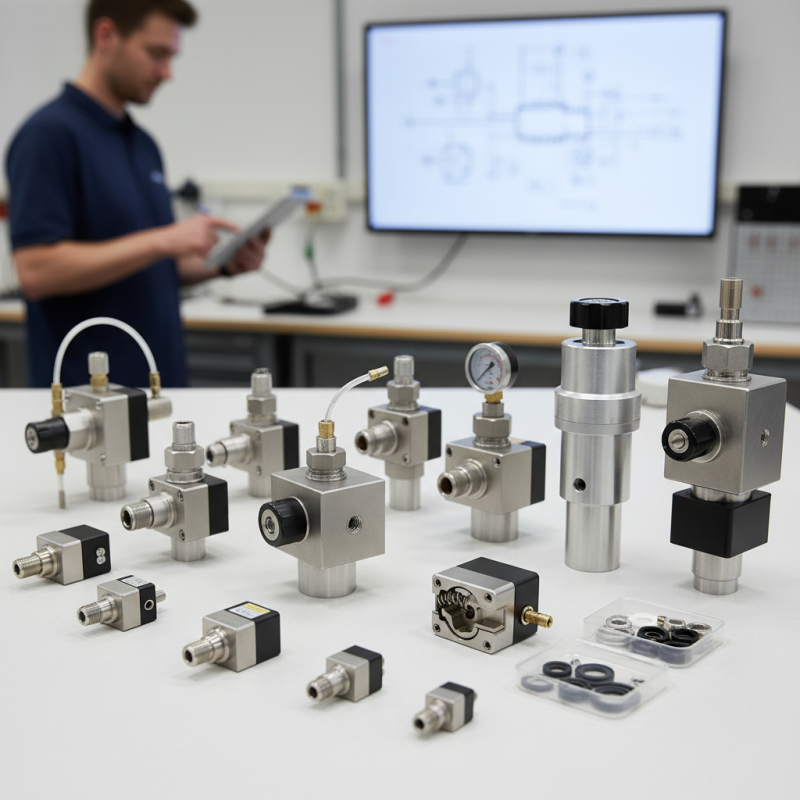
Understanding Pneumatic Valves and Their Types
Pneumatic valves play a crucial role in automation systems across various industries. They control the flow of compressed air, influencing machine efficiency and safety. According to recent industry reports, about 75% of manufacturing processes utilize pneumatic systems, highlighting the importance of selecting suitable valves.
Understanding the different types of pneumatic valves is essential for effective application. Common types include solenoid valves, actuated valves, and proportional valves. Solenoid valves operate electrically, while actuated valves require an external source for operation. Proportional valves, on the other hand, provide precise flow control. Some experts suggest that choosing the right valve type can improve overall system efficiency by up to 30%.
Selection criteria also include pressure ratings, compatibility with fluids, and response times. Data suggests that 20% of valve failures stem from mismatched specifications. It's important to consider the environment where the valve will operate. Corrosive or extreme conditions can significantly impact longevity. Understanding these aspects requires not just theoretical knowledge, but practical insights gained from real-world applications.
Key Factors to Consider When Selecting Pneumatic Valves
Choosing the right pneumatic valve involves careful consideration of several key factors. Start with the valve’s application. Understand your system’s pressure and temperature requirements. Valves operate differently under varying conditions. Choosing one that doesn’t match these conditions can lead to system failures.
Next, consider the valve type. There are many types of pneumatic valves, including solenoid and manual options. Each type has its advantages and disadvantages. A solenoid valve may provide quick response times but can be more complex to control. It's important to align the valve's operation with your system's needs.
Another crucial factor is the material of the valve. Different materials can withstand different environments and pressures. A plastic valve may suffice in less aggressive applications. However, metal valves are often necessary for harsher environments. Take time to reflect on the specific requirements of your application. Evaluating these key factors carefully will help guide your selection process.
Applications of Pneumatic Valves in Various Industries
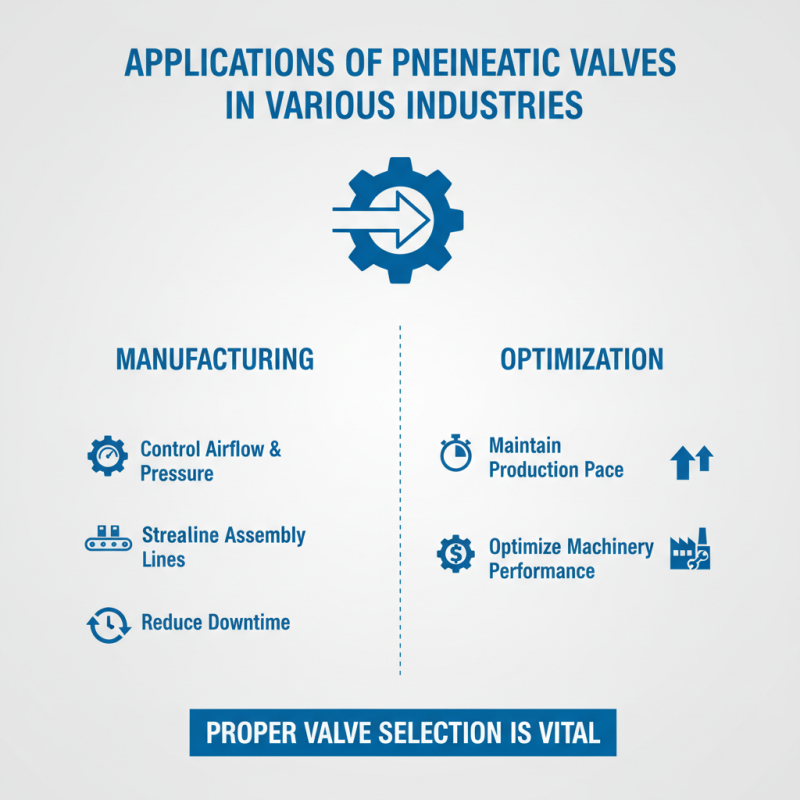
Pneumatic valves are essential across various industries. In manufacturing, they control air flow and pressure, ensuring efficient operations. These valves streamline processes in assembly lines. They help maintain the pace of production and reduce downtime. Proper valve selection is vital for optimizing machinery performance.
In the healthcare sector, pneumatic valves play a critical role in medical devices. They regulate the flow of gases and fluids, ensuring safety and precision. Hospitals rely on these valves for life-support systems. However, their malfunction can lead to serious consequences. Regular maintenance and testing are necessary to avoid these risks.
In the automotive industry, pneumatic valves are used in various applications. They assist in controlling air suspension systems and automated assembly processes. However, choosing the right valve can be complex. Considerations like size, pressure rating, and flow requirements are crucial. Each application demands specific solutions. Missteps in selection may lead to inefficiencies.
Evaluating Quality and Performance of Pneumatic Valves
When selecting a pneumatic valve, evaluating quality and performance is crucial. Valves are essential components that can significantly impact system efficiency. According to a recent industry report, approximately 30% of system failures are due to faulty valves. This highlights the importance of choosing a reliable product.
Durability is a key performance indicator. High-quality valves often feature robust materials that can withstand harsh conditions. For instance, stainless steel valves offer better corrosion resistance compared to standard materials. This longevity can reduce replacement costs and downtime. A well-chosen valve can last a decade or more, unlike lower-quality options that may fail within a few years.
Moreover, flow characteristics matter. One study found that up to 10% efficiency improvements can be achieved with valves designed for optimal flow. Selecting the right size and type enhances system performance. However, not all applications are the same. Users should assess their specific needs carefully. Balancing quality, cost, and performance requires thoughtful consideration. Ultimately, investing in quality pneumatic valves pays off in the long run.
How to Choose the Right Pneumatic Valve for Your Needs?
| Valve Type |
Actuation Method |
Port Size |
Flow Rate (Cv) |
Pressure Rating (psi) |
Material |
| Solenoid Valve |
Electric |
1/4" |
0.5 |
150 |
Brass |
| Ball Valve |
Manual |
1/2" |
2.0 |
200 |
Stainless Steel |
| Butterfly Valve |
Pneumatic |
3/4" |
1.5 |
100 |
PVC |
| Check Valve |
Gravity |
1" |
1.0 |
150 |
Aluminum |
| Pressure Relief Valve |
Automatic |
1/2" |
1.2 |
300 |
Brass |
Maintenance and Troubleshooting Tips for Pneumatic Valves
Proper maintenance of pneumatic valves is crucial for ensuring optimal performance and longevity. Reports indicate that nearly 30% of valve failures are attributed to inadequate maintenance practices. Regular inspections can help identify wear and tear, which may affect valve responsiveness. Inspect seals and diaphragms for signs of damage or degradation. These components are often the first to fail due to constant pressure changes.
Troubleshooting is another essential aspect of valve maintenance. If a valve fails to operate, checking the air supply is a good starting point. Make sure there are no leaks in the system. A leak can reduce the air pressure needed for efficient operation. Look out for factors like temperature fluctuations, which can impact the valve's performance. Many industry professionals recommend temperature-controlled environments for valve operation. Monitoring these variables can prevent trouble before it starts.
Documenting maintenance activities is vital. This practice creates a reliable history of the valve's performance and aids in predicting future issues. A study from the International Society of Automation shows that effective documentation can reduce downtime by as much as 20%. Regularly updating maintenance logs can reveal patterns that warrant further investigation, leading to better decision-making in valve management.
How to Choose the Right Pneumatic Valve for Your Needs?
This chart illustrates key specifications to consider when choosing a pneumatic valve, including flow rate, operating pressure, temperature range, and response time. Each of these factors is crucial in selecting the right valve for specific applications.