What is a Hydraulic Proportional Valve and How Does it Work?
The Hydraulic Proportional Valve plays a crucial role in various hydraulic systems. Understanding its function can enhance the performance of machinery. These valves regulate fluid flow and pressure with precision.
At its core, a Hydraulic Proportional Valve adjusts the flow rate based on electrical signals. This allows for smooth operation, especially in industrial applications. For example, they can control the speed of hydraulic cylinders. When the input changes, the valve responds dynamically. This adaptability is vital in tasks requiring fine control.
Nonetheless, mastering these valves poses challenges. Their complexity can lead to maintenance issues. Users must understand the relationship between pressure and flow. Awareness of potential errors is essential. The Hydraulic Proportional Valve offers efficiency but demands respect for its design intricacies.
What Is a Hydraulic Proportional Valve?
A hydraulic proportional valve is an essential component in fluid power systems. It controls the flow and pressure within hydraulic circuits. By varying the valve's position, it adjusts the flow rate of hydraulic fluid, enabling precise control of machinery and equipment. This ability is crucial in applications that demand accuracy, such as robotics and automated systems.
These valves can respond to electrical signals, allowing for smooth transitions. When an electrical signal is applied, the valve opens to different degrees. This creates a proportional response, enhancing the system's efficiency. However, not all systems utilize these valves effectively. Sometimes, operators might overlook calibration, leading to poor performance.
Misunderstanding how these valves work can lead to complications. Users may not notice small adjustments. This can affect machinery operation and lead to inefficiencies. Regular maintenance is vital to ensure that the hydraulic proportional valve performs optimally. Without proper attention, even minor issues can escalate, resulting in significant operational problems.
Key Components of Hydraulic Proportional Valves
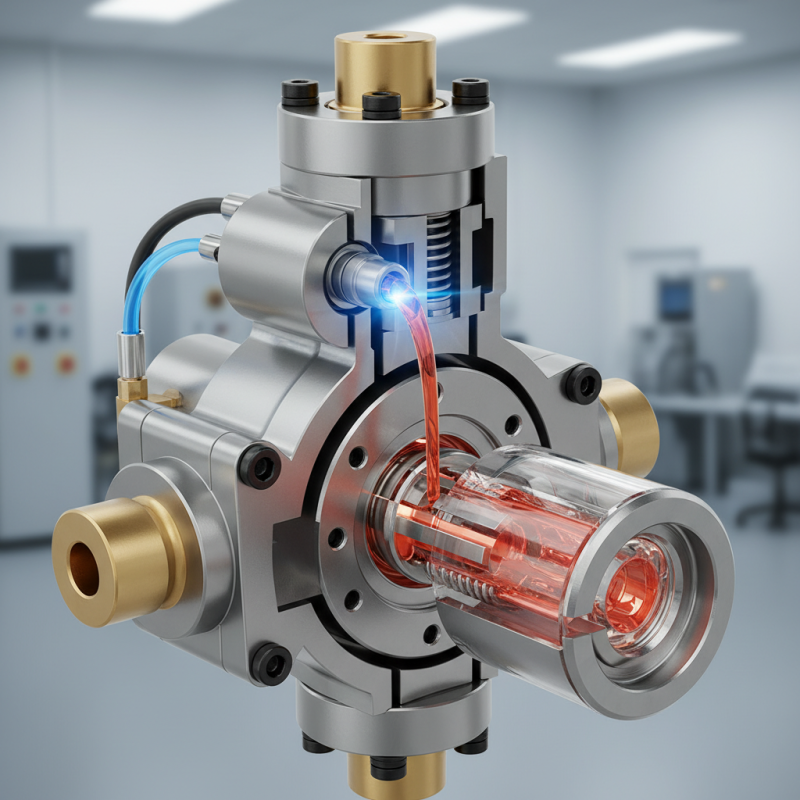
Hydraulic proportional valves are essential in controlling the flow and pressure of hydraulic systems. Key components include the solenoid, feedback mechanism, and control electronics. The solenoid converts electrical energy into mechanical motion. This action directly influences fluid flow, allowing precise control over system performance. For instance, the International Journal of Physical Sciences notes that these valves can improve efficiency by up to 30%.
Additionally, the feedback mechanism plays a critical role. It ensures that the valve adjusts its position based on the output. This leads to more accurate control, but calibration may require frequent adjustments. In some cases, improper installation can cause inefficiencies, highlighting the importance of regular maintenance.
Control electronics interpret signals and direct the solenoid based on system demands. While advanced systems can enhance responsiveness, they might also face issues with compatibility. Each component must work in harmony to achieve the desired performance. Incomplete understanding of system dynamics may lead to underperformance, indicating the need for ongoing evaluation and adjustment in hydraulic applications.
How Hydraulic Proportional Valves Function
Hydraulic proportional valves are essential components in various hydraulic systems. They enable precise control of fluid flow and pressure through varying electrical signals. This results in better system efficiency and responsiveness. According to a 2021 report by the International Fluid Power Society, the global hydraulic valve market is projected to reach $9.8 billion by 2026. This growth highlights the importance of these valves in modern machinery.
The functionality of hydraulic proportional valves hinges on their ability to modulate flow rates. When an electrical signal is sent, the valve adjusts its opening accordingly. This allows for smooth operation and prevents abrupt changes that could damage equipment. For example, in construction machinery, precise control can enhance performance and reduce wear. Yet, many technicians overlook maintenance, leading to failures. A report stated that improper upkeep could increase operational costs by up to 30%.
Understanding how hydraulic proportional valves operate is crucial. Their design allows for quick response times and reliable control. However, a common oversight is assuming all valves are interchangeable. Each application has unique requirements that affect performance. Recognizing these nuances can significantly improve system efficiency. Careful selection and continuous monitoring can prevent costly downtimes and extend the lifespan of equipment.
Applications of Hydraulic Proportional Valves in Industry
Hydraulic proportional valves are vital in various industries, including manufacturing and automotive. These valves regulate fluid flow and pressure, enabling precise control of machinery. In construction equipment, proportional valves optimize hydraulic systems, leading to improved efficiency and safety. According to industry reports, these valves can enhance performance by up to 30%.
In the automotive sector, proportional valves ensure smooth operation of braking systems and suspension. They allow vehicles to respond quicker to drivers’ actions, leading to better handling. It's reported that 60% of modern vehicles utilize such technology. The integration of hydraulic proportional valves can significantly reduce energy consumption, which is crucial in today's environmentally conscious market.
Tips: Regular maintenance of these valves is essential. Contaminated fluid can hinder performance. Pay attention to wear and tear. An overlooked valve can lead to major operational issues. Always consult with industry experts for insights on best practices.
Advantages of Using Hydraulic Proportional Valves
Hydraulic proportional valves play a crucial role in various industries. They provide precise control over fluid flow and pressure, allowing systems to operate efficiently. The advantages of using these valves are substantial. According to industry reports, hydraulic proportional valves can improve energy efficiency by up to 30%. This reduction in energy consumption not only lowers costs but also promotes sustainability.
One of the key benefits is their ability to offer fine-tuned adjustments. Operators can set specific flow rates based on demand. This adaptability enhances system performance. In manufacturing, for example, this means smoother machine operations and reduced wear. Systems can respond rapidly to changes, leading to increased productivity.
Tip: Regular maintenance is essential. Inspect your valves routinely for performance issues. Small leaks can lead to significant energy loss.
Moreover, the integration of hydraulic proportional valves can result in a quieter operation. By minimizing abrupt pressure changes, noise levels are reduced. This can lead to a more comfortable working environment. However, the initial investment and installation costs may be high. Companies must weigh these factors carefully.
Tip: Consider lifecycle costs. The savings on energy consumption can offset the initial expenses over time.