What is a Solar Panel Connector and How Does it Work?
In the rapidly growing solar industry, understanding Solar Panel Connectors is crucial. These connectors play a vital role in ensuring systems operate efficiently and safely. According to a report by the International Energy Agency, global solar capacity reached 1,000 gigawatts in 2020, emphasizing the need for reliable components like connectors.
Solar Panel Connectors facilitate the flow of electricity between solar panels and inverters. They are designed to handle high current and voltage levels, making them essential for energy transmission. However, not all connectors are created equal. Poor-quality connectors can lead to system failures. A study from the National Renewable Energy Laboratory showed that connector-related failures account for a substantial percentage of technical issues in solar installations.
Selecting the right Solar Panel Connectors matters significantly. It's not just about compatibility; durability and weather resistance are key. While many products claim to conform to industry standards, some may fall short. Consumer awareness and industry scrutiny can drive improvements in connector quality. This calls for a deeper understanding of these components and their impact on overall system performance.
What is a Solar Panel Connector?
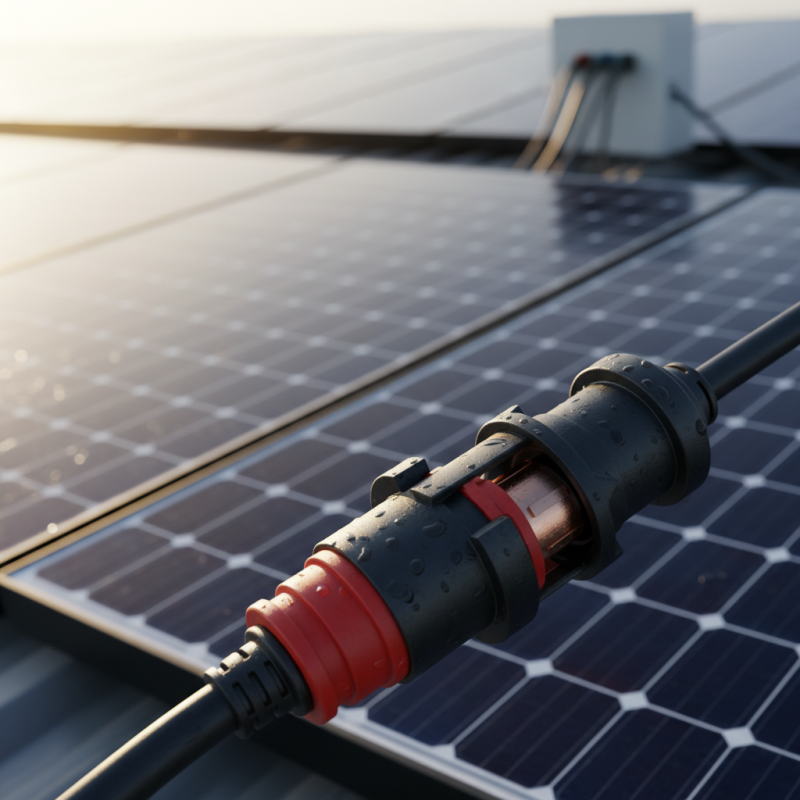
A solar panel connector is a crucial component in photovoltaic systems. It serves as the interface between solar panels and the rest of the system. These connectors ensure a secure electrical connection while allowing for easy installation and maintenance. Common types include MC4 connectors, known for their durability and weather resistance.
Understanding how these connectors work is essential for effective solar panel setups. They allow seamless power transfer from solar panels to inverters or batteries. The design of these connectors helps prevent water ingress and dust accumulation. Such features enhance longevity and reliability. Yet, improper handling or installation can lead to performance issues.
In some cases, users may find connectors difficult to engage or disengage. This can be frustrating. Regular inspection and proper training on connector maintenance can mitigate this problem. Although the technology is robust, it is vital to ensure that connections remain clean and secure. Awareness of these aspects can lead to a more efficient and reliable solar power system.
Types of Solar Panel Connectors and Their Uses
Solar panel connectors play a crucial role in any solar energy system. They ensure a secure and efficient connection between solar panels and other components. The most common types of connectors include MC4 and Tyco, each serving specific needs. MC4 connectors are favored for their ease of use and durability. They provide a waterproof seal, reducing the risk of damage from moisture.
The choice of connector impacts system performance. For instance, a study by Solar Power World indicates that high-quality connections can enhance energy efficiency by up to 10%. This efficiency is vital as energy demands rise globally. Tyco connectors, on the other hand, excel in environments with extreme temperatures, ensuring reliability in diverse climates.
However, not all connectors are created equal. Many installers may overlook the significance of quality in connectors, potentially leading to system failures. Research shows that improper connections account for about 25% of solar system failures. Ensuring the right type of connector is essential for maintaining long-term performance and efficiency in solar panel systems.
Types of Solar Panel Connectors and Their Uses
How Solar Panel Connectors Work: A Technical Overview
Solar panel connectors play a critical role in the efficiency of solar energy systems. They enable the seamless connection between solar panels and other components, such as inverters and batteries. These connectors come in various types, including MC4 and Tyco, each designed to withstand specific environmental conditions. Proper selection of connectors is essential for optimal performance.
Understanding how solar panel connectors work requires a look at their design and functionality. Most connectors feature a locking mechanism that ensures a secure fit. This prevents accidental disconnections, which could lead to energy loss. The materials used are often UV-resistant and waterproof, enhancing durability. However, some users might overlook the importance of connector maintenance, which can lead to corrosion over time.
Failure to regularly inspect connectors can lead to power drops. Heat buildup is another concern; it can weaken connections and reduce system efficiency. There is a risk of underestimating the role connectors play in safety and performance. Awareness of these factors can significantly improve the longevity and reliability of solar installations.
Installation Tips for Solar Panel Connectors
Proper installation of solar panel connectors is essential for optimal performance. Begin by choosing connectors that match your panel specifications. This ensures compatibility and reduces the risk of electrical issues. For a secure fit, clean both the connector and the solar panel terminals. Dust and debris can hinder a solid connection.
When connecting, pay close attention to polarity. Incorrect connections can lead to system failures. It's advisable to check the connections twice before finalizing them. Think about installing connectors in a shaded area to avoid overheating. Excess heat can degrade the connectors over time, impacting the solar panel's efficiency.
Make sure to use the right tools during installation. A quality crimping tool can make a difference in achieving a reliable connection. However, not everyone has the same level of expertise. Practice may be needed to get the crimp right. Failing to secure the connectors properly can lead to electrical arcing, which poses a safety hazard. Regularly inspect your connectors after installation. Look for signs of wear or damage. This proactive approach can ensure the longevity of your solar panel system.
Maintenance and Troubleshooting of Solar Panel Connectors
Solar panel connectors are crucial for a functioning solar energy system. They link solar panels to inverters and batteries. However, over time, these connectors can experience wear, dirt accumulation, or damage. Regular maintenance is essential to ensure optimal performance.
Inspect your solar panel connectors frequently. Check for loose connections or corrosion. If you find dirt, cleaning them gently can improve connection quality. Use a soft cloth to wipe down the connectors. This simple step can prevent many operational issues.
Consider replacing damaged connectors promptly. Delays may lead to energy loss or system failure. If you experience consistent problems, consult a professional. Do not hesitate to ask for help.
Lastly, while individual troubleshooting is valuable, not all issues are easy to resolve. Often, patience is required when dealing with solar components. Proper maintenance ensures longer lifespan and efficiency for your solar system.