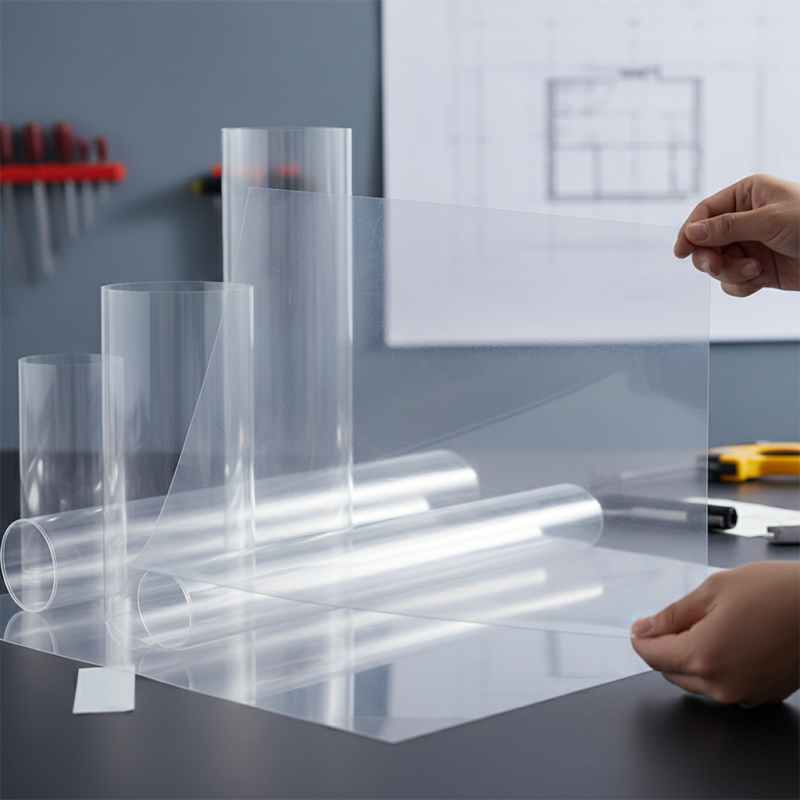
PVC Clear Sheet Tips for Choosing the Best Option?
Choosing the right PVC Clear Sheet can be challenging. Many options exist, each serving different purposes. Understanding these sheets is crucial for successful projects.
PVC Clear Sheets are versatile materials. They are used in signs, displays, and protective barriers. Their clarity and durability make them popular. However, not all sheets are created equally. Some might scratch easily, while others may not be suitable for outdoor use.
It’s important to consider your specific needs. Think about thickness, flexibility, and UV resistance. A thicker sheet may provide more durability but could be heavier. Conversely, a thinner sheet may not withstand impacts as well. Make your choice carefully, balancing quality and cost. Finding the perfect PVC Clear Sheet may take time and consideration, but it’s worth the effort for a successful project.
Understanding PVC Clear Sheets: Types and Applications
PVC clear sheets are versatile materials used in various applications. These sheets come in different types and thicknesses, making them suitable for diverse projects. You can find them in rigid and flexible formats. The choice between these options often depends on your specific needs.
For example, rigid PVC sheets are commonly used in signage, displays, and protective barriers. They offer excellent durability and clarity. On the other hand, flexible PVC sheets are ideal for applications that require bending or wrapping. This includes items like packaging and protective covers. It's essential to evaluate your project requirements to select the appropriate type.
While PVC sheets have many benefits, they also have limitations. They may not be suitable for extreme temperatures or direct exposure to UV light. Additionally, the handling of these sheets can be tricky. Scratches and marks can occur easily. It's vital to consider these factors before making a final decision.
Types of PVC Clear Sheets: Applications and Preferences
Key Properties of PVC Clear Sheets: Transparency, Durability, and Flexibility
When choosing PVC clear sheets, understanding their key properties is essential. Transparency, for instance, often reaches 90% or more, making these sheets ideal for displays and protective covers. They provide a crystal-clear view, which is important in many applications. However, not all PVC sheets maintain this clarity over time. Environmental factors like UV exposure can lead to yellowing.
Durability is another significant factor. PVC is known for its robustness. Studies indicate that high-quality PVC can last over ten years in outdoor applications. However, the thickness of the sheet plays a role; thinner options may not withstand heavy impacts. Additionally, cheaper variants often compromise on this property, resulting in fragility.
Flexibility is a notable characteristic of PVC clear sheets. They can bend without breaking, ideal for creative projects. A report from a leading materials research group indicates that PVC sheets offer up to 200% elongation before rupture. But this flexibility can also be a double-edged sword. In extreme temperatures, sheets might warp or lose form. Consider the climate of your intended use when selecting the right sheet.
PVC Clear Sheet Tips for Choosing the Best Option
| Property | Description | Importance |
| Transparency | PVC clear sheets offer high clarity and transparency, making them ideal for display applications. | Vital for visual aesthetics and communication of information. |
| Durability | These sheets are resistant to impact, weather conditions, and UV rays, enhancing their lifespan. | Essential for long-term applications and outdoor usage. |
| Flexibility | PVC sheets can be easily cut, shaped, and formed while maintaining structural integrity. | Important for custom designs and versatile applications. |
| Thickness | Available in various thicknesses to suit different strengths and applications. | Crucial for balancing weight, durability, and application needs. |
| Surface Finish | Can feature matte or glossy finishes depending on the intended visual effect. | Affects light reflection and user interaction. |
Selecting the Right Thickness for Your PVC Clear Sheet Needs
Choosing the right thickness for your PVC clear sheet is essential. The thickness impacts durability and transparency. A common range is 0.5mm to 3mm. Thicker sheets tend to be more resistant to impacts. However, they can be heavier and harder to work with.
Consider the intended use of your PVC sheet. If you're using it for display purposes, a thinner sheet may suffice. It remains lightweight and easy to handle. Yet, if the application involves outdoor conditions, thicker sheets are advisable for better weather resistance. The trade-off? Thicker sheets might not provide the same clarity.
Reflect on how you’ll cut or shape the material. Thicker sheets can require specialized tools for cutting. This could lead to uneven edges if not handled correctly. Always test a small piece if you're unsure. Mistakes can lead to waste, and that's not ideal. Balancing thickness with functionality is key.
Cost Factors: Pricing Trends and Value Comparison in PVC Clear Sheets
When selecting PVC clear sheets, understanding cost factors is crucial. Prices can vary widely based on thickness, size, and transparency. Thicker sheets typically cost more, but they offer better durability. Transparency can also affect pricing, as higher clarity usually demands a premium.
Tip: Always compare prices from multiple suppliers. This helps in finding the best deals without compromising quality. Check for thickness specifications to ensure that the sheet will withstand your intended use.
Another factor is the production process. Some sheets are extruded, while others are cast. Cast sheets might be more expensive but often provide superior clarity and consistency. The production method can impact both cost and long-term value.
Tip: Request samples before making large purchases. This can help you evaluate quality firsthand and is often a wise choice. Remember, looking for the cheapest option might lead to compromises on durability. It’s essential to balance cost with performance.
Environmental Considerations: Recycling and Sustainability of PVC Products
When choosing PVC clear sheets, environmental factors cannot be ignored. PVC, or polyvinyl chloride, is widely used due to its durability and versatility. However, it poses environmental challenges. According to a report by the Environmental Protection Agency (EPA), PVC production generates significant emissions. This process requires careful consideration.
Recycling options are available for PVC, but they are limited. The Vinyl Institute states that about 10% of PVC products are recycled in the U.S. This low recycling rate raises concerns. Many end-users remain unaware of proper disposal methods. PVC can persist in landfills for years, creating long-term waste management issues.
Sustainability in PVC manufacturing is evolving. Some companies invest in eco-friendly practices, such as using renewable energy sources. Efforts are underway to improve the environmental footprint of PVC products. Yet, achieving a truly sustainable lifecycle remains a challenge. Consumers and manufacturers alike need to reflect on their choices and the impact of these materials.