Top 10 Tips for Choosing the Right Electrical Breakers?
Choosing the right Electrical Breakers is crucial for both safety and efficiency. According to industry reports, faulty breakers account for up to 25% of electrical fires in homes. The right electrical breakers can prevent these disasters while ensuring proper energy management. With advancements in technology, options have expanded, making selection more complex.
Homeowners should consider various factors when choosing electrical breakers. These include amperage ratings, trip characteristics, and compatibility with existing systems. A recent survey found that over 30% of consumers overlook these aspects, leading to potential hazards. Reliable data suggests that selecting the appropriate electrical breakers can enhance the lifespan of wiring systems by up to 15%.
Breakers are not just protective devices; they play a vital role in the overall electrical infrastructure. Choosing the wrong type can lead to frequent outages or worse, equipment damage. As we delve into the top 10 tips for selecting the right electrical breakers, keep in mind that informed decisions are essential for safety and functionality.
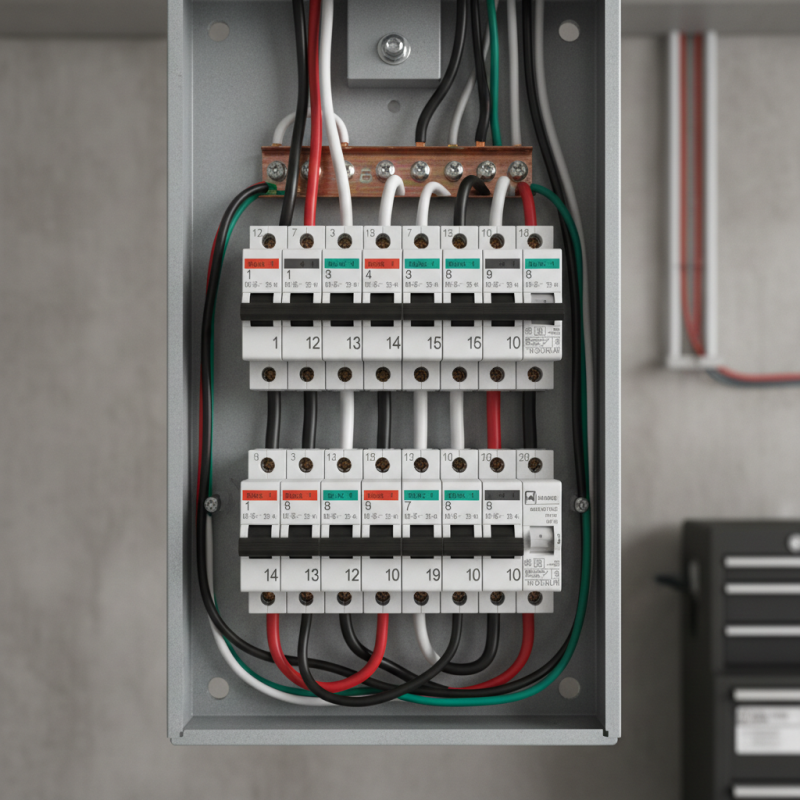
Understanding Different Types of Electrical Breakers Available
When it comes to electrical breakers, understanding the different types is essential for safety and efficiency. Circuit breakers come primarily in two types: standard and GFCI breakers. Standard breakers protect your home from overloads and short circuits. GFCI breakers, on the other hand, are crucial in wet areas like kitchens and bathrooms. They automatically shut off power to prevent electrical shocks.
Moreover, you'll find AFCI breakers, which protect against arc faults that can cause fires. This type of breaker is particularly useful in bedrooms and living rooms, where most electrical devices are used. Each breaker type has distinct features and specifications. Consider the layout and electrical load of your home before making a choice.
While you might think going with the most advanced breaker is smart, it’s not always necessary. Sometimes, a simple standard breaker will suffice. Reflect on your actual needs and energy consumption. The right choice might not be the most complex one; it could be the most fitting for your situation.
Top 10 Tips for Choosing the Right Electrical Breakers
| Tip Number | Tip | Description | Breaker Type |
| 1 | Understand Your Needs | Identify the electrical load and usage requirements. | Standard Circuit Breakers |
| 2 | Know the Types | Familiarize yourself with different breaker types. | GFCI, AFCI, Dual function Breakers |
| 3 | Check Compatibility | Ensure the breaker is compatible with the panel. | Compatible Types |
| 4 | Consider Amp Rating | Choose a breaker with the appropriate amp rating. | 20A, 30A, 50A |
| 5 | Assess Voltage Rating | Ensure the voltage rating matches your system. | 120V, 240V |
| 6 | Evaluate Trip Features | Look for features like delay mechanisms. | Standard vs. Time Delay Breakers |
| 7 | Safety Certifications | Check for safety certifications and standards. | UL Listed, CSA Approved |
| 8 | Consider Brand Reputation | Look for brands known for quality and reliability. | Trustworthy Manufacturers |
| 9 | Industrial vs. Residential Use | Determine if the breaker is for home or commercial use. | Different Classifications |
| 10 | Seek Professional Advice | Consult an electrician for expert guidance. | N/A |
Assessing Your Electrical Needs for Proper Breaker Selection
When selecting electrical breakers, assessing your electrical needs is crucial. Understanding your power consumption can prevent future outages. The U.S. Energy Information Administration reports that residential energy usage has increased by 2% annually over the last decade. Ensuring your electrical system can handle this demand is essential.
Consider the total wattage your appliances consume. Calculate the sum of all connected devices. This helps determine the right breaker size. For instance, the National Electrical Code suggests a minimum of 100 amps for typical households. This number may vary based on individual requirements. Take time to analyze your energy habits. It reveals how much current you really need.
Tip: Regularly check your circuit load. Too many devices on one breaker can lead to tripped circuits. Watch for signs of overload, like flickering lights or warm outlets.
Additionally, understanding different breaker types is vital. Standard breakers protect against overloads, while GFCI ones guard against ground faults. Knowledge of each type can save you from costly repairs.
Tip: Invest in quality. Low-cost breakers might seem appealing, but they often lack reliability. A small upfront cost can lead to larger issues later. Assessing your electrical needs with these tips can lead to safer, more efficient energy use.
Key Features to Look for in Quality Electrical Breakers
When selecting electrical breakers, key features determine their reliability and effectiveness. Firstly, consider the voltage rating. Breakers must support the voltage of your electrical systems. A mismatched voltage rating can lead to failure and increased risks. According to a recent report by the National Electrical Manufacturers Association (NEMA), improper voltage ratings cause up to 30% of electrical system failures.
Next, evaluate the amperage capacity. Breakers must accommodate peak load conditions without tripping. Look for units with a range that suits your specific needs. Insufficient capacity leads to frequent overloads, wasting energy and potentially causing damage. The U.S. Department of Energy highlights that correctly rated circuits improve energy efficiency by up to 10%.
Another important element is the type of breaker. Different environments require different breakers, such as Ground Fault Circuit Interrupters (GFCIs) or Arc Fault Circuit Interrupters (AFCIs). Each type serves a unique purpose, safeguarding against specific risks. In residential settings, AFCIs can reduce electrical fire risks significantly. These distinctions matter for safety and compliance. Failing to recognize them can lead to dangerous situations.
Importance of Voltage Ratings and Amperage in Breaker Choices
When selecting electrical breakers, understanding voltage ratings is critical. Voltage ratings indicate the maximum voltage a circuit breaker can handle. This information helps in preventing overcurrent situations. Breakers designed for high voltage situations may not perform well under lower voltage loads. This mismatch can lead to failures, risking electrical safety.
Amperage also plays a key role in breaker selection. It represents the maximum current that a breaker can support without tripping. For residential applications, common amperage ratings include 15A, 20A, and 30A. Choosing too high of an amperage can lead to overheating and potential fire hazards. Conversely, too low of a rating may cause unwanted tripping during normal use.
Be mindful of both ratings. Ignoring them can compromise electrical systems. Always consult with a qualified electrician if unsure about breaker specifications. Their expertise helps avoid costly mistakes. Balancing these factors can make a significant difference in safety and efficiency.
Top 10 Tips for Choosing the Right Electrical Breakers
This chart illustrates the importance level of various factors to consider when choosing electrical breakers. Voltage and amperage ratings are the most critical elements, while factors like warranty and cost play a lesser role.
Safety Standards and Certifications for Electrical Breakers
When selecting electrical breakers, understanding safety standards is crucial. Breakers must comply with local and international regulations. These guidelines ensure reliability and safety in installations. Check for certifications from recognized organizations. Examples include UL, CE, and IEC standards. These certifications indicate that the breakers have been rigorously tested.
In addition to certifications, consider the breaker’s characteristics. Look for features like overload protection and short-circuit protection. These functionalities are essential in preventing electrical hazards. A reputable breaker should clearly display its ratings and certifications on its casing. Always ask for documentation when purchasing. This verifies that the product meets safety regulations.
However, not all electrical components are created equal. Some may not perform well in extreme conditions. User reviews can provide insights, but they should be approached with caution. Reliable feedback and professional assessments can guide your decision. Ultimately, prioritizing safety standards in your selection process is paramount for effective and secure electrical systems.