Top Tips for Sourcing 430 Stainless Steel Strips Efficiently?
When sourcing 430 Stainless Steel Strips, efficiency becomes crucial. Selecting the right supplier can save both time and money. Understanding the unique properties of 430 stainless steel strips is essential. This material offers excellent corrosion resistance and is widely used in various applications, from household appliances to automotive parts.
Finding reliable suppliers requires research and analysis. Companies should evaluate their past performance and expertise in handling 430 stainless steel strips. Not all suppliers provide the same quality or dependability. Some may promise more than they can deliver. It's important to verify their credibility through customer reviews and case studies.
Networking with industry professionals can also provide valuable insights. Engaging with peers can highlight potential suppliers and their strengths. However, relying on recommendations alone might lead to missed opportunities. Inspecting the product’s specifications and certifications is necessary. This attention to detail ensures that your choice meets your project requirements effectively. In the end, efficient sourcing is about blending knowledge with practical strategies.
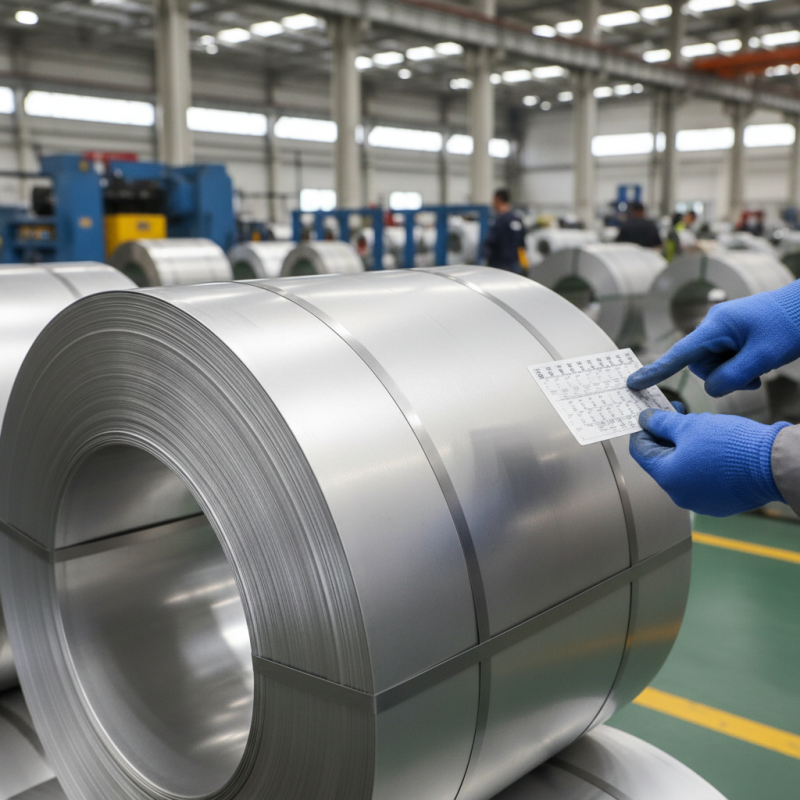
Understanding 430 Stainless Steel and Its Applications
430 stainless steel is a ferritic alloy known for its good corrosion resistance and excellent formability. It contains around 16-18% chromium. This composition makes it durable in various environments. Common applications include kitchen equipment, automotive parts, and appliances. According to industry reports, the demand for 430 stainless steel has grown by approximately 5% annually over the past five years. This reflects its increasing utilization in sectors emphasizing hygiene and aesthetic appeal.
Though 430 stainless steel performs well, it is not without limitations. It may not be as resistant to pitting corrosion as austenitic grades. This can lead to surface degradation in harsh environments. Therefore, careful consideration is necessary where the material is used. Some manufacturers report challenges in sourcing high-quality 430 strips. Fluctuations in raw material prices can affect availability and production timelines.
The production of 430 stainless steel strips requires precision. The manufacturing process must ensure consistent dimensions and surface quality. Reports indicate that tolerances within +/- 0.010 inches are essential for most applications. Variations outside this range can affect product quality significantly. Overall, understanding the properties and limitations of 430 stainless steel is crucial for effective sourcing and application in industry.
Identifying Quality Suppliers for 430 Stainless Steel Strips
Finding reliable suppliers for 430 stainless steel strips is essential for businesses seeking quality materials. According to a report by the International Steel Study, demand for stainless steel products is projected to grow by 7% annually. This underscores the importance of identifying quality sources.
A key tip is to assess suppliers' certifications. Look for ISO 9001 or equivalent certifications to ensure they maintain high-quality standards. Also, consider a supplier's experience in the market. Years of operation often reflect their reliability and expertise. Established suppliers often have long-standing relationships with steel mills, ensuring you receive consistent quality.
Networking with industry peers can also yield valuable supplier recommendations. Attend trade shows and industry conferences to connect with potential suppliers. Keep an eye out for reviews and testimonials. This information can reveal both strengths and weaknesses in suppliers' offerings. Remember, not every supplier will meet expectations, so it's beneficial to engage in pilot orders before making larger commitments.
Top Tips for Sourcing 430 Stainless Steel Strips Efficiently
| Supplier Location | Material Certification | Lead Time | Minimum Order Quantity | Price per Ton |
| China | ISO 9001 | 4 weeks | 5 tons | $2,300 |
| India | ASTM A240 | 3 weeks | 10 tons | $2,400 |
| Germany | EN 10088-2 | 6 weeks | 15 tons | $2,200 |
| USA | ASTM A276 | 5 weeks | 7 tons | $2,500 |
| Japan | JIS G4304 | 4 weeks | 8 tons | $2,600 |
Evaluating Pricing and Cost Factors for Efficient Sourcing
When sourcing 430 stainless steel strips, understanding pricing and cost factors is crucial. Industry reports show that market fluctuations can significantly impact prices. As of 2023, the global market for stainless steel has seen a rise by approximately 5% year-on-year. This growth suggests that careful evaluation of suppliers can lead to better pricing strategies for sourcing.
Tip: Research multiple suppliers to compare costs. Not all providers offer the same prices, and quality can vary significantly. Keeping an eye on supplier performance can also reveal hidden costs. Reliability is key when assessing long-term contracts.
Consider the cost of production and shipping. According to various industry analyses, logistics often account for 20-30% of total material costs. This highlights the need for transparency in supplier pricing structures. Pay attention to the quality certifications of suppliers; poor quality can lead to higher rework and scrap rates, which are often overlooked in initial evaluations.
Tip: Invest time in supplier audits. Check compliance with industry standards, including ISO certifications. This can save money in the long run by reducing waste and improving product reliability. Evaluate your options regularly to adapt to changing market conditions.
Exploring Customized Options and Specifications for Strips
When sourcing 430 stainless steel strips, customization is key. This grade of stainless steel is known for its corrosion resistance and magnetic properties. It is often used in automotive and kitchen applications. According to a 2022 market report, 430 stainless steel holds approximately 30% of the market share in the stainless steel strip segment.
Exploring customized options can enhance usability and application. Businesses often require specific dimensions, finishes, or mechanical properties. In fact, surveys indicate that 65% of manufacturers prioritize tailored solutions to meet project demands. This customization allows for better integration in assembly processes and improved performance in final products.
However, balancing customization and cost can pose challenges. Custom specifications often come with higher production costs and longer lead times. Companies must weigh the benefits against potential delays. According to industry experts, it is crucial to communicate clearly with suppliers about specifications. This ensures the right materials are sourced efficiently.
Reducing Lead Times in the Procurement of Stainless Steel Strips
Sourcing stainless steel strips efficiently requires a keen focus on reducing lead times. One effective strategy is to build strong relationships with suppliers. Engaging directly can enhance communication. Understanding your supplier’s production capabilities helps anticipate delays. Regular check-ins ensure they meet your expectations and timelines.
Streamlining your order process is equally crucial. Use technology to track orders and inventory levels. Implementing an automated system reduces errors and accelerates decision-making. Consider optimizing order sizes to achieve better economies of scale. Larger orders might reduce costs but can lead to excess inventory if not managed properly.
Regularly review your procurement practices. Assess if the current suppliers align with your needs. An occasional shift can refresh your options. Don't hesitate to seek multiple quotes, as competition can drive better service and pricing. Reflecting on past experiences can unveil opportunities for improvement. Keeping an adaptable mindset ensures you are always prepared for changes in the market.