Top 5 Actuator Valves You Need to Know for Your Industrial Applications
In the dynamic landscape of industrial applications, the significance of actuator valves cannot be overstated. These crucial components play a vital role in controlling fluid and gas flow, ensuring the efficiency and safety of various processes. As industries evolve and technologies advance, understanding the best options available is essential for optimizing operations and maintaining competitive advantages. This article highlights the "Top 5 Actuator Valves You Need to Know for Your Industrial Applications," a selection that promises to enhance performance and reliability in a variety of settings.
The need for reliable actuator valves has never been greater, with increasing demands for precision and automation in modern industrial systems. Whether dealing with harsh environments, high pressures, or stringent regulatory standards, the right actuator valve can make a significant difference. This guide not only showcases five exemplary products but also provides insights into their unique features, applications, and the benefits they bring to industrial operations. Whether you are a seasoned engineer or a procurement professional, understanding these actuator valves is crucial for making informed decisions in your industrial projects.
Overview of Actuator Valves in Industrial Settings
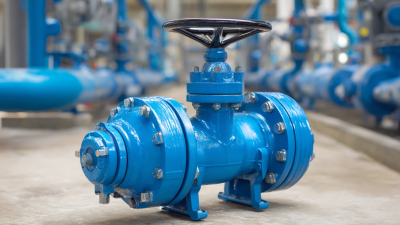
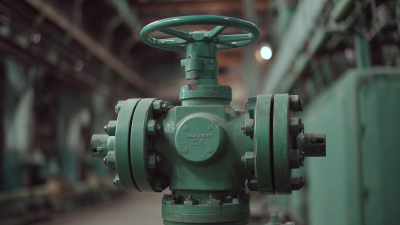
Actuator valves play a crucial role in industrial applications by providing precise control over fluid flow and pressure within a system. These valves are automated devices that use an actuator to open or close valves based on various control signals, ensuring optimal performance in complex industrial environments. They are essential in sectors such as oil and gas, water treatment, chemical processing, and HVAC systems, where reliability and efficiency are paramount.
In industrial settings, actuator valves can vary significantly in type and application, including quarter-turn valves, linear valves, and specialty valves designed for specific conditions. Each type is tailored to meet the demands of different processes, ensuring that operations maintain safety and comply with regulations. The integration of actuator valves into automated control systems enhances operational efficiency, enabling real-time adjustments and reducing the risk of human error. As industries continue to evolve, understanding the functionality and application of these valves becomes increasingly important for optimizing industrial operations.
Key Features of the Top 5 Actuator Valves for 2025
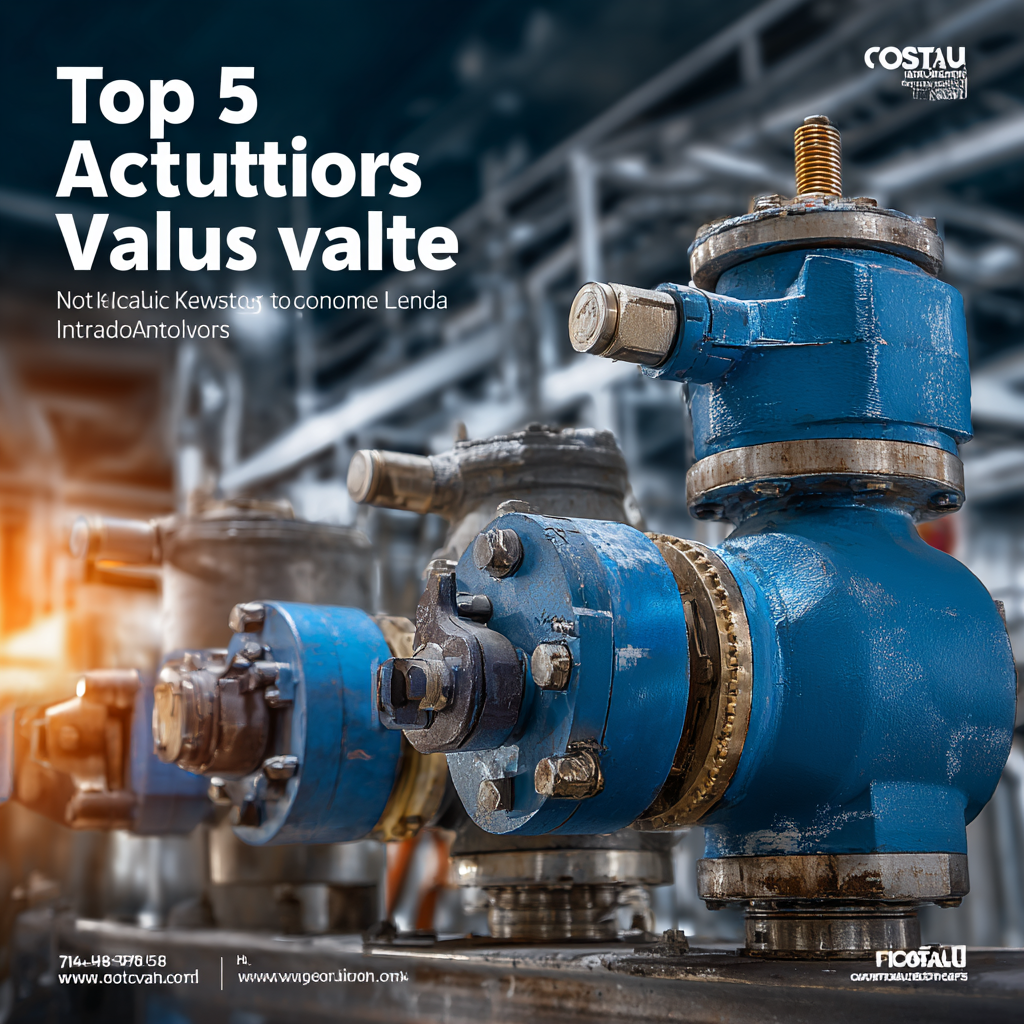
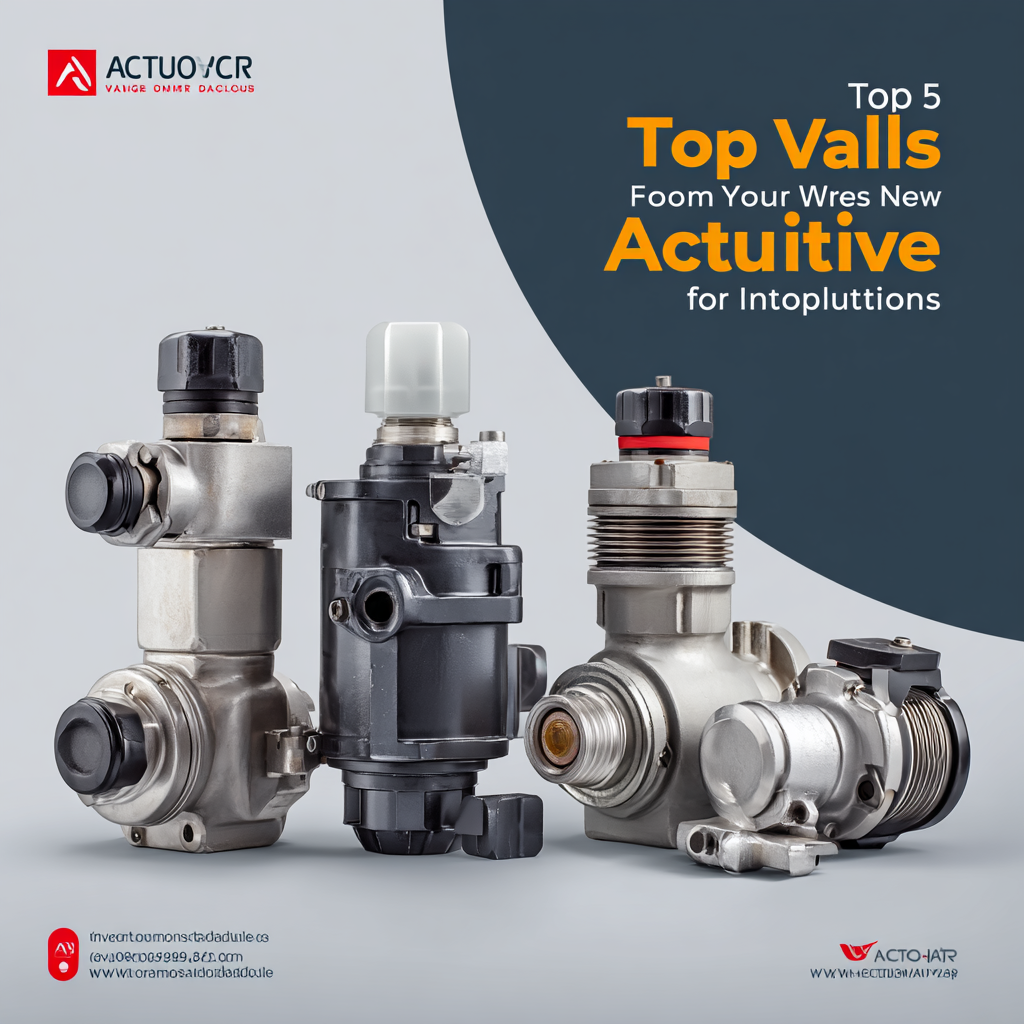
In the realm of industrial applications, actuator valves play a critical role in automating flow control processes. As we approach 2025, five key actuator valves stand out for their innovative features and reliability. These valves not only enhance operational efficiency but also integrate advanced technology for monitoring and control. For instance, the penetration of smart actuators in the market is projected to increase by 35% annually, driven by the demand for IoT-enabled systems that provide real-time data analytics.
One notable feature of contemporary actuator valves is their high adaptability to various fluid types and operating environments. According to a recent report by Market Research Future, the global actuator market is estimated to reach $25 billion by 2025, with electric actuators leading the charge due to their energy efficiency. Additionally, the incorporation of robust materials such as stainless steel and advanced seals enhances the durability and longevity of these valves.
Tips: When selecting an actuator valve for your application, consider the compatibility with your existing systems and the availability of replacement parts. Ensure that you also evaluate the power consumption rates, as electric actuators tend to offer significant savings on energy costs over time. Regular maintenance of these valves can enhance performance stability and extend operational life, making it a vital aspect of your industrial strategy.
Comparative Analysis of Actuator Valve Types and Their Applications
When selecting actuator valves for industrial applications, understanding the comparative analysis of the different types is crucial. According to a market research report by Grand View Research, the global actuator market size was valued at USD 36.78 billion in 2021 and is projected to expand at a CAGR of 6.0% from 2022 to 2030. Among the primary types, electric, pneumatic, and hydraulic actuators each offer unique advantages that cater to various operational requirements.
Electric actuators are known for their precise control and energy efficiency, making them ideal for applications such as automated assembly lines. Meanwhile, pneumatic actuators are preferred for their fast response times and are commonly utilized in systems requiring rapid movements, such as in food and beverage processing. In contrast, hydraulic actuators excel in heavy-duty operations, providing significant force amplification, which is vital in industries like oil and gas where powerful actuation is necessary. Choosing the right actuator valve not only enhances performance but also ensures increased reliability and lower operational costs in the long run.
Top 5 Actuator Valves You Need to Know for Your Industrial Applications
Future Trends in Actuator Valve Technology and Innovations
The future of actuator valve technology is poised for transformative advancements driven by key trends such as artificial intelligence and sustainable practices. AI-powered operational intelligence is set to revolutionize how industries monitor and control valve operations, enabling real-time analysis and predictive maintenance. This shift will enhance efficiency, reduce downtime, and minimize operational costs in various industrial applications. Moreover, the integration of sustainable water treatment solutions illustrates a commitment to environmental responsibility, as industries seek to optimize their resources while complying with stringent regulations.
In addition, the innovative Presta Sequential SlideCam System highlights the ongoing evolution in valve technology aimed at optimizing hybrid drives, particularly in combustion engines. Such advancements not only improve performance but also contribute to emissions reduction. Alongside these technological developments, the shift towards decentralized infrastructure and flood prevention mechanisms underscores the necessity for adaptive and resilient systems in the face of climate change. Collectively, these innovations signal a dynamic and growth-oriented future for the actuator valve sector, reflecting a broader trend of enhanced functionality and sustainability in industrial applications.
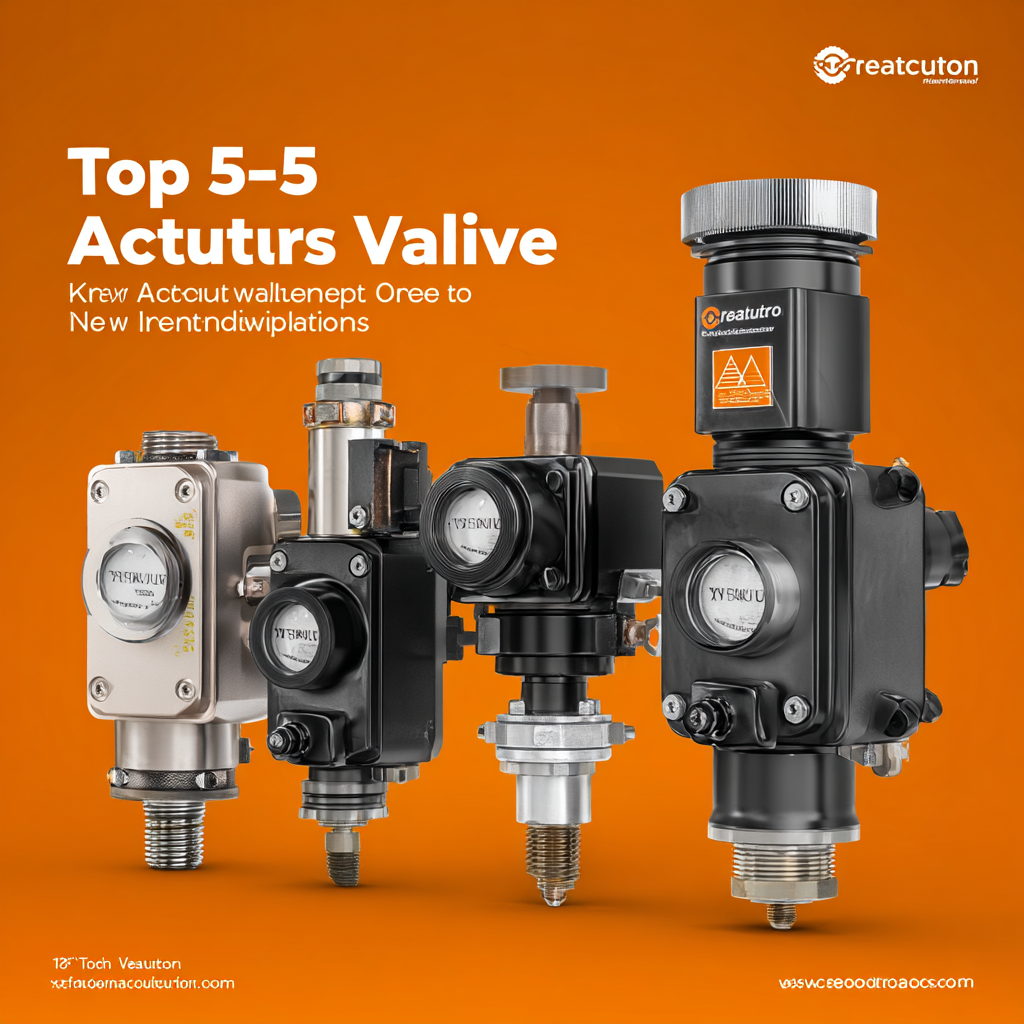
Choosing the Right Actuator Valve for Your Industrial Needs
When selecting the right actuator valve for your industrial applications, it's crucial to consider several key factors that align with your specific operational requirements. The first consideration is the type of fluid being controlled. Different fluids, whether gases, liquids, or slurries, interact distinctly with various materials.
Therefore, ensuring that the actuator valve material is compatible with the fluid helps prevent corrosion and maintains efficiency.
Another important factor is the actuator mechanism itself. Actuator valves can be operated by electric, pneumatic, or hydraulic means, each providing various benefits and drawbacks depending on the context of use.
For instance, electric actuators offer precise control and lower energy consumption, while pneumatic actuators can be deployed in environments with explosive risks due to their inherent safety properties.
Understanding the operational environment and necessary power requirements is essential for making the right choice. By thoroughly evaluating fluid characteristics and actuator types, you can ensure optimal performance and reliability in your industrial processes.