Top 10 Deck Screws for Your Next Project What to Choose?
When embarking on a deck-building project, selecting the right deck screw is crucial. The global deck screw market was valued at approximately $1 billion in 2022, reflecting a growing demand for durable fastening solutions in outdoor construction. A well-chosen deck screw enhances structural integrity and prolongs the lifespan of wooden decks.
Not all deck screws are created equal. Factors such as material, coating, and thread design significantly influence performance and longevity. For instance, stainless steel screws offer superior corrosion resistance, making them ideal for environments with high moisture levels. A study by the Construction Specification Institute indicates that using the correct deck screw can reduce maintenance costs by up to 30%.
Yet, many DIY enthusiasts often overlook these details in favor of low prices. While budget-friendly options exist, investing in high-quality deck screws can yield better long-term results. Understanding the nuances of deck screws can make a considerable difference in construction quality. It is essential to assess both performance and cost-effectiveness in your choice of materials.
Choosing the Right Deck Screws for Your Project
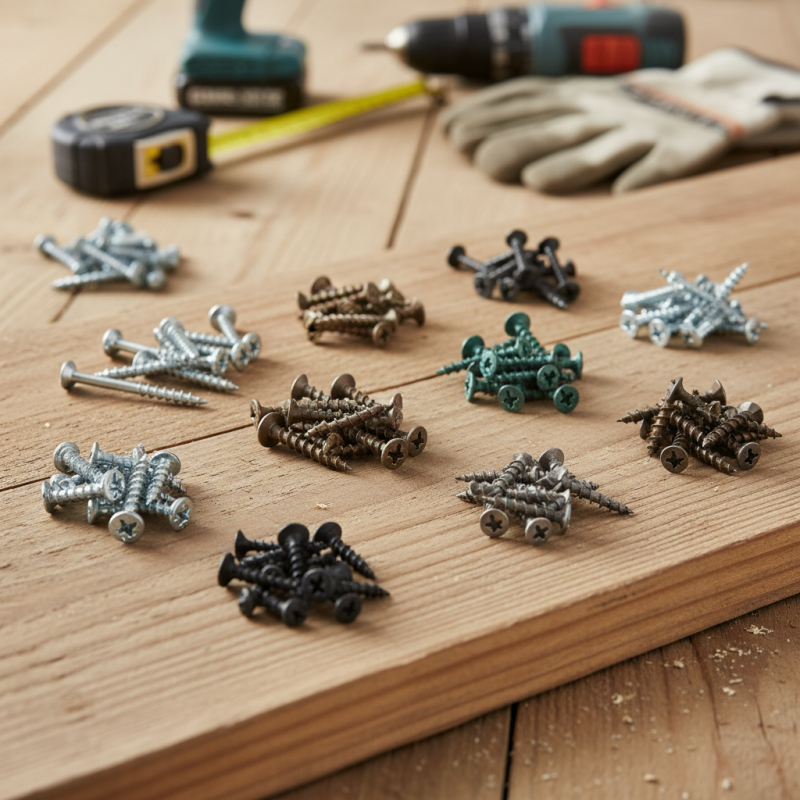
When selecting deck screws for your next project, it's important to consider materials and design. For outdoor projects, corrosion resistance is key. Stainless steel and coated screws offer durability against the elements. Be mindful of the weather when choosing screws, as moisture can affect performance.
One effective tip is to match screw length with the thickness of your decking material. Too short or too long can lead to issues. If they are too short, they won’t secure properly. If too long, they can protrude or damage underlying structures.
Choosing the right screw head is also critical. Flat heads allow for a flush finish, while round heads provide extra holding power. Think about how the screws will affect the overall appearance of your project. The wrong head type can alter your design intention.
Remember to always pre-drill holes in hardwood to prevent splitting. It helps ensure that your screws install as planned. Considering all these factors can lead to a more successful deck installation.
Top 10 Deck Screws for Your Next Project
Factors to Consider When Selecting Deck Screws
When choosing deck screws, several factors play a crucial role in ensuring the success of your project. First, consider the material of the screws. Stainless steel is a popular choice due to its resistance to rust, while coated screws offer additional weather protection. The American Wood Council reports that using corrosion-resistant fasteners enhances the lifespan of your decking by up to 30%. This is an essential consideration for homeowners in regions with harsh weather.
Next, think about the head type of the screws. Various styles, such as flat or pan heads, affect aesthetic appeal and installation process. A study by the National Association of Home Builders found that screws with a larger head provide better holding power. Additionally, thread design is significant. Fine threads are better for softwoods, while coarse threads perform well in dense materials. In fact, miscalculating these variables can lead to structural failures or costly repairs. Always prioritize compatibility with your decking material to avoid unnecessary challenges.
Top Deck Screw Brands and Their Features
When selecting deck screws for your next project, understanding the features of top brands is essential. Reliable options include stainless steel, which offers superior corrosion resistance. Ideal for outdoor use, stainless steel screws withstand various weather conditions. They ensure longevity and stability in any deck.
Another noteworthy category is coated screws. These screws often have a polymer or epoxy finish. This coating enhances their lifespan and protects against rust. While these screws are functional, some may struggle with stripping during installation. Make sure to use the right tools for easier application.
Lastly, consider the thread design of screws. Fine threads provide a stronger grip in hardwoods, while coarse threads work well in softwoods. Experimenting with different types can lead to better results. Reflecting on your project demands will guide you in choosing the right screw type. Pay attention to these features, as they significantly impact the durability and performance of your deck.
Comparison of Different Materials Used in Deck Screws
When choosing deck screws, the material plays a critical role in performance and durability. Stainless steel screws offer high resistance to rust and corrosion, making them ideal for coastal areas. According to a recent industry report, over 50% of deck screw failures are due to corrosion. This highlights the importance of selecting the right material for your environment.
Another option is coated screws, which often provide good protection at a lower cost. However, the longevity of the coating is essential. Some coated screws may last for five years, while others can endure a decade. In many applications, the choice of material directly influences the lifespan of the deck. Ensure that you review product specifications and choose a material suitable for your conditions.
Tips: Always consider the climate in your area. For humid regions, stainless steel is usually the best choice. Also, consult technical data sheets for load-bearing specifications.
Investing in quality materials can save you from costly repairs down the line. Though coated screws may seem a great bargain, their performance could lead to regrets. Select wisely based on the specific needs of your project.
Tips for Proper Installation of Deck Screws
Installing deck screws correctly is crucial for the longevity of your deck. Research from the American Wood Council indicates that improper installation can lead to significant structural issues. Using the right torque during installation is essential. Over-tightening can strip the wood, while under-tightening can lead to looseness over time.
It’s also important to consider the spacing of your screws. A common mistake is placing screws too far apart. The North American Deck and Railing Association recommends spacing screws every 12 to 16 inches along the board. This approach enhances stability and prevents warping. Using a pilot hole can also improve screw placement and reduce splitting in the wood.
Ensure to select screws that are resistant to corrosion. Many deck screws are coated to withstand moisture, but these coatings can vary. Regularly checking for signs of rust or wear is advisable. Remember, not every screw is suitable for all types of materials. Understanding the specific needs of your deck will ultimately guide you to make the best choice.