Top 10 Household Gas Detectors Buyers Should Consider
In recent years, the importance of a reliable household gas detector has become increasingly evident. According to the National Fire Protection Association, approximately 50,000 home fires occur annually due to gas leaks. Such incidents can lead to devastating consequences. Gas detectors serve as a first line of defense against these hazards, providing early warnings that can save lives.
Many consumers underestimate the risks associated with household gas. Reports indicate that carbon monoxide poisoning claims over 400 lives yearly in the United States alone. A household gas detector can alert families to potential leaks before they become life-threatening. As gas appliances become more prevalent, the demand for reliable detection solutions has surged.
Choosing the right household gas detector requires informed decision-making. Not all detectors are created equal; features and technology vary significantly across models. Some units may lack essential capabilities, leading to false security. It’s crucial to consider accuracy, sensitivity, and reliability when making your choice. This guide aims to highlight the top detectors available, helping you make a well-informed purchase that enhances safety in your home.
Understanding the Importance of Household Gas Detectors
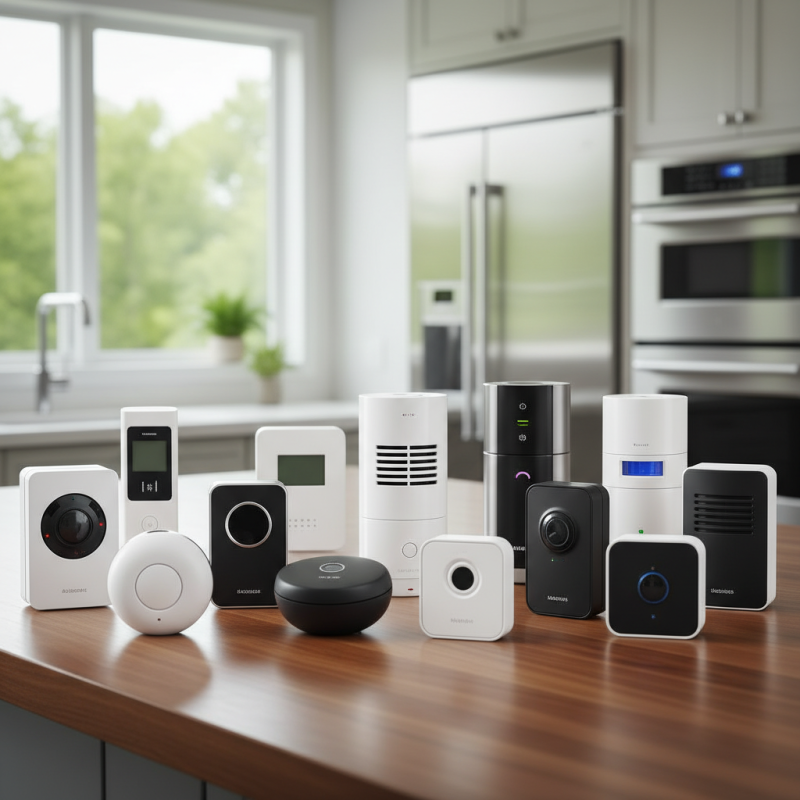
Household gas detectors are vital for safety. They can identify harmful gases early. Carbon monoxide, methane, and propane are common threats. A detector gives alarms, helping you act fast. Understanding these detectors is crucial for protecting your family.
Many homes lack proper gas detection. Some people underestimate the risks. A gas leak can happen anytime, often without warning. Investing in a reliable gas detector can prevent tragedies. These devices are designed to be sensitive and accurate. Regular maintenance of detectors is essential. You should replace batteries and devices per guidelines.
Choosing the right gas detector requires research. Look for models with reliable sensors. Read user reviews to gauge effectiveness. It's advisable to understand the types of gases each detector targets. Not every model detects every gas. This can lead to false security. Homeowners need to stay informed about gas safety. Active measures can save lives.
Types of Gas Detectors Available for Home Use
When it comes to home safety, gas detectors play a crucial role. Various types are available for residential use. Each type addresses different gases that might pose a risk in your home. For instance, carbon monoxide (CO) detectors are essential. They detect dangerous levels of CO, a colorless and odorless gas. This gas can result from faulty appliances or poor ventilation.
Another option is natural gas detectors. These devices identify leaks from stoves, heaters, or gas lines. They usually emit a loud alarm if gas is detected. Propane detectors are also available. These are especially useful in homes that use propane for heating or cooking. The technology varies among detectors. Some may not be sensitive enough, leading to missed leaks.
Wireless and smart detectors are growing in popularity. They connect to your smartphone for alerts even when you are away. However, there can be issues with connectivity and battery life. Regular maintenance and testing are required to ensure effectiveness. Choosing the right type requires understanding your specific situation. Consider the layout of your home and potential gas sources. A thoughtful approach to selecting detectors can significantly enhance safety.
Key Features to Look for in a Gas Detector
When choosing a gas detector, there are several key features that buyers should prioritize. First, consider the sensor type. Common options include electrochemical, catalytic, and infrared sensors. Each type has specific advantages. For example, electrochemical sensors are known for sensitivity, while infrared sensors excel in detecting high concentrations of gas.
Another crucial feature is the response time. A quick response is essential for safety. Look for models that can detect gas leaks within seconds. Additionally, portability can make a difference. Lightweight detectors are easier to move, allowing for checks in various locations around the home.
Moreover, consider the alarm system of the device. A loud alarm can alert residents to danger, potentially preventing accidents. Some detectors even offer visual alerts for added safety. Lastly, check for calibration and maintenance needs. Regular upkeep ensures the device functions correctly. Ignoring these factors might lead to complacency, putting households at risk.
Top Brands in the Household Gas Detector Market
When selecting a household gas detector, convenience and reliability are critical. The market is filled with numerous brands, each offering unique features. Researching top brands can help consumers find a model suited to their needs. Some detectors focus on specific gas types, while others monitor multiple gases. The choice often depends on the household’s specific risks.
Tips for choosing the right gas detector include understanding the types of gases present in your area. Not every detector can sense all gas types. Ensure the detector has a reliable sensor for your environment. Also, consider the detector’s power source. Battery-operated models offer easy installation, but wired ones might provide ongoing reliability.
Don’t overlook the installation process. Many consumers falter here, leading to ineffective monitoring. Placement matters greatly when it comes to detecting gas efficiently. Follow the manufacturer’s guidelines on positioning. Devices placed too high or low may miss gas leaks. Regular maintenance is essential too. Test your device monthly to ensure it’s functioning properly. Small lapses can lead to significant hazards. Always remain vigilant about your detector’s performance.
Installation and Maintenance Tips for Optimal Performance
When it comes to household gas detectors, proper installation and ongoing maintenance are crucial for safety. A report from the National Fire Protection Association indicates that around 40% of home gas-related incidents arise from improper installation. Make sure to follow the manufacturer's guidelines closely during setup. Place detectors in areas where gas leaks are most likely, such as near gas appliances. Regularly check battery life and ensure that the sensors are clean. Dust and debris can obstruct functionality, leading to false alarms or, worse, failure to detect real danger.
Ongoing maintenance is just as important. The same NFPA report states that 60% of gas detector failures are due to lack of routine checks. Testing the detector monthly ensures it operates correctly. Replace units every five to seven years, even if they still function. Many detectors come with built-in self-test features. However, an active approach is always better. Sensors can degrade over time, sometimes leading to undetected hazards. Nothing replaces hands-on vigilance in ensuring a safe home environment.