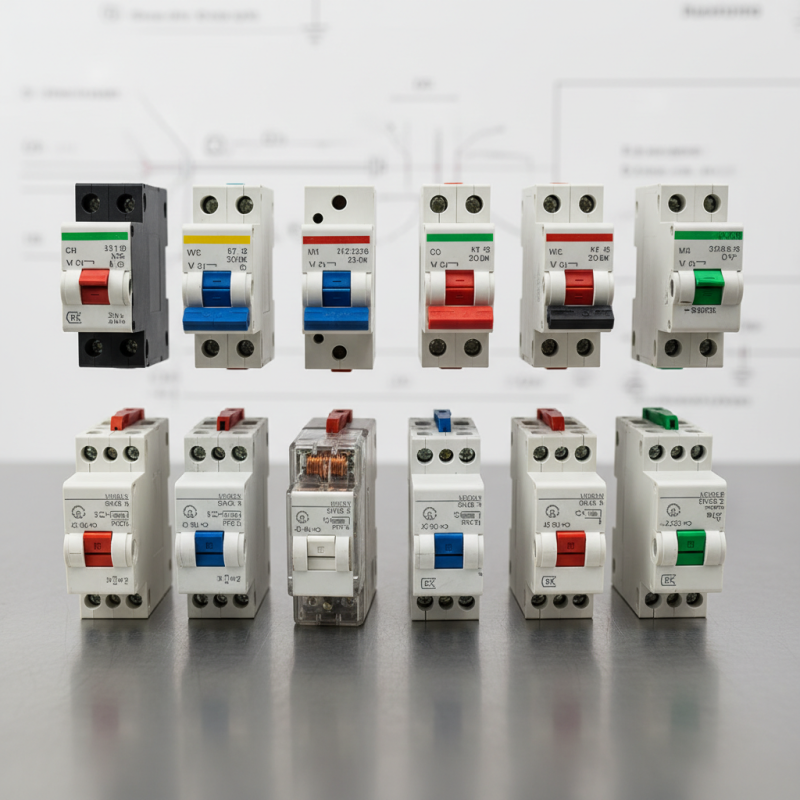
Top 10 Miniature Circuit Breakers You Need to Know About?
The world of electrical safety is crucial. Miniature Circuit Breakers (MCBs) play a vital role in preventing electrical failures. They automatically cut off the current during overloads or short circuits. This mechanism protects both equipment and lives.
Choosing the right MCB can be overwhelming. There are many options available. Each unit offers different features, ratings, and characteristics. Knowing what to look for can save time and prevent future headaches.
Some MCBs may not meet specific needs. Users often overlook critical details, like surge protection or compatibility. It’s essential to understand the technical aspects before making a decision. A wise choice can enhance safety and ensure peace of mind.
What Are Miniature Circuit Breakers and Their Functions?
Miniature circuit breakers (MCBs) play a crucial role in electrical systems. They protect circuits from overloads and short circuits. MCBs are automatic switch devices. When current exceeds a set limit, they trip. This prevents fires and equipment damage. A simple push resets them.
These devices come in various ratings. Each rating corresponds to the maximum current they can handle. They are widely used in homes, offices, and industrial settings. Proper installation is vital. An incorrectly installed MCB can lead to failure. Choosing the right MCB is not always straightforward. Understand the load and use case. This avoids serious consequences later.
MCBs serve multiple functions. They ensure safety in wiring systems. They reduce the risk of electric shock. However, neglecting maintenance can lead to issues. Dust and heat affect performance. Regular checks can help maintain efficiency. It’s essential to reflect on these details. Making informed decisions about MCBs can greatly impact electrical safety.
Top 10 Miniature Circuit Breakers You Need to Know About
This chart illustrates the current ratings of the top 10 types of miniature circuit breakers. Each bar represents a different type, showcasing their respective ratings in amperes (A). Understanding these ratings is essential for selecting the appropriate circuit breaker for specific electrical applications.
Key Features to Look for in Miniature Circuit Breakers
When selecting miniature circuit breakers (MCBs), there are key features to consider. The rated current is crucial. Most MCBs operate between 6A and 63A, fulfilling various applications. No one-size-fits-all solution exists; every environment needs specific ratings. A study from the Electrical Safety Foundation found that mismatched ratings can lead to failures in protection.
Another essential factor is the tripping characteristic. MCBs commonly feature B, C, or D curves. Curve types affect their response to overloads. For instance, B curves are suitable for residential use, responding quickly to small overloads. However, in industrial settings, C curves are often preferred due to their delayed response. This adaptability is vital, as a report by the International Electrotechnical Commission indicated that many electrical fires stem from inadequate circuit protection.
Additionally, consider the breaking capacity. This determines how much fault current the MCB can interrupt without damage. MCBs typically range from 3kA to 10kA. Choosing an appropriate breaking capacity can be the difference between safety and disaster. A recent analysis found that about 35% of electrical accidents relate to inadequate circuit breaker specifications. Thus, reflecting on your needs and the environment is essential.
Top 10 Miniature Circuit Breaker Brands to Consider
When looking for miniature circuit breakers (MCBs), brand reputation plays a crucial role. The market is saturated with many options. Some brands lead in innovation and reliability. According to industry reports, these brands capture about 45% of the market share.
One key characteristic of top MCB brands is their commitment to safety. A robust circuit breaker can prevent electrical fires and equipment damage. In fact, studies indicate that the right MCB can reduce the risk of electrical failures by up to 50%. However, not all brands meet high safety standards. It’s important to consider certifications and testing results before making a choice.
Price is another factor to consider. While lower-priced options may seem appealing, they often compromise on quality. Reports show that investing in high-quality circuit breakers can save consumers money in the long run. Long-term performance often reflects the initial investment. Choosing wisely can potentially prevent future issues, making it essential to evaluate strengths and weaknesses carefully.
Common Applications for Miniature Circuit Breakers
Miniature Circuit Breakers (MCBs) are essential for safeguarding electrical systems. They automatically cut off power when the current exceeds a predetermined level. MCBs are widely used in residential and commercial applications due to their reliability and ease of use.
In homes, MCBs protect against overloads and short circuits. An estimated 90% of household electrical fires are caused by wiring issues. MCBs minimize this risk by providing immediate disconnection. In commercial settings, these breakers are crucial for protecting sensitive equipment. Data centers, for instance, rely on MCBs to safeguard servers and critical infrastructures. Reports indicate that MCBs can reduce downtime dramatically, enhancing overall operational efficiency.
Industries like manufacturing also utilize MCBs extensively. They help in monitoring and managing electrical loads. The International Electrotechnical Commission (IEC) states that MCBs can improve energy efficiency by up to 30%. However, it's essential to select the right MCB for specific applications. Poor choices can lead to inadequate protection, causing potential hazards. Regular maintenance and testing are critical, as even MCBs can fail over time.
Maintenance and Safety Tips for Using Miniature Circuit Breakers
Using miniature circuit breakers (MCBs) safely requires attention to detail. Regular maintenance is essential. Check for any signs of wear or damage. Dust accumulation can affect their performance. Ensure the surrounding area is clean and free from obstructions. This can help to prevent overheating. Inspect the connections periodically. Loose wires can lead to shorts, which are dangerous.
Try not to overload the circuits. Each MCB has a specific current rating. Exceeding this rating could lead to failure. Always choose the right breaker for your application. This will help to limit potential hazards. Remember to test your MCBs regularly. Some may trip without any obvious cause. This could lead to power loss when you least expect it.
Stay informed about common issues. Sometimes, circuit breakers can appear functional but may not reset properly. Keep an eye on the tripping frequency. Frequent trips can indicate a bigger problem. Be proactive in addressing these issues to enhance safety and reliability. While MCBs are designed for protection, they require your vigilance to operate effectively.
Top 10 Miniature Circuit Breakers You Need to Know About
| Breaker Model | Current Rating (A) | Voltage Rating (V) | Tripping Curve Type | Applications |
| MCB-1 | 6 | 230 | B | Lighting Circuits |
| MCB-2 | 10 | 230 | C | Electrical Outlets |
| MCB-3 | 16 | 230 | C | Automated Machinery |
| MCB-4 | 20 | 400 | D | Heavy Machinery |
| MCB-5 | 25 | 230 | C | Household Appliances |
| MCB-6 | 32 | 230 | C | Commercial Equipment |
| MCB-7 | 40 | 400 | D | Industrial Use |
| MCB-8 | 50 | 400 | D | Construction Sites |
| MCB-9 | 63 | 400 | C | HVAC Systems |
| MCB-10 | 80 | 400 | D | Transportation Equipment |