Top Photovoltaic Connectors for Solar Energy Systems?
In the realm of solar energy systems, the role of Photovoltaic connectors cannot be overlooked. These connectors serve as the essential link between solar panels and inverters, ensuring the efficient transfer of electricity generated from sunlight. Choosing the right photovoltaic connectors is crucial for the durability and performance of solar installations.
Many types of connectors exist, each with unique features. Some are designed for ease of installation, while others focus on durability in harsh weather conditions. The best photovoltaic connectors should withstand extreme temperatures and resist corrosion. However, not all connectors meet these standards.
The choice of inadequate connectors can lead to performance issues. This can result in energy loss and costly repairs. Therefore, it’s vital to assess the specifications of connectors before installation. Making informed choices on photovoltaic connectors can significantly impact the longevity and efficiency of solar energy systems.
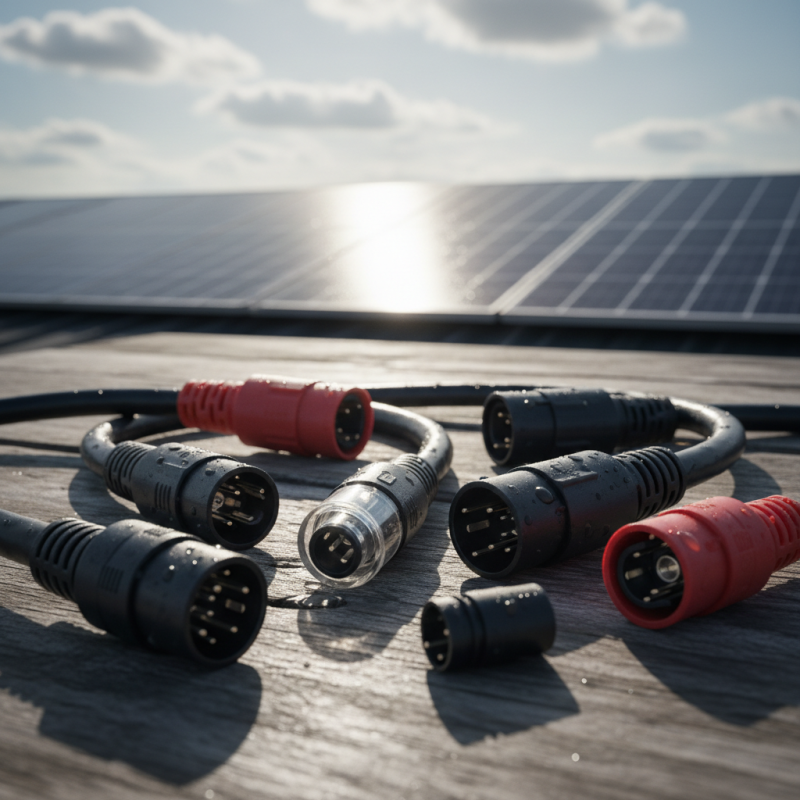
Understanding Photovoltaic Connectors in Solar Energy Systems
Photovoltaic connectors play a vital role in solar energy systems. They facilitate the safe and efficient connection between solar panels, inverters, and other components. These connectors maintain proper electrical flow, influencing overall energy output. Understanding their types and specifications is essential for optimal solar performance.
Different connectors have unique features and benefits. Some are designed for quick installations, while others offer enhanced durability. It's crucial to consider the environmental conditions where the system operates. For example, connectors exposed to extreme weather must withstand temperatures and humidity. Inadequate choices may lead to performance issues or safety hazards.
Moreover, maintenance of these connectors is often overlooked. Dirt or corrosion can impede functionality. Regular checks on connector integrity can prevent costly downtimes. As solar technologies evolve, so do connector innovations. Staying updated on these changes is important for anyone in the solar field.
Types of Photovoltaic Connectors Used in Solar Installations
Photovoltaic connectors play a crucial role in solar energy systems. They enable efficient energy transfer from solar panels to inverters. Various types of connectors exist, each serving specific purposes. MC4 connectors, for example, are popular for their ease of use and reliability. They can handle high voltages and currents, which is vital for solar applications.
Another type is the TYCO connector. While not as common as MC4, it offers excellent performance. However, some installers find them challenging to work with. Proper crimping and connection are essential to prevent energy loss. Additionally, junction box connectors offer flexibility. They allow easy connections in tight spaces, but may not always provide the same durability as other options.
Understanding these connectors is important for solar system optimization. Each type has its benefits and drawbacks. Evaluating the specific needs of a project can prevent costly mistakes. Ensuring compatibility between components is also vital. Small details can make a big difference in overall system efficiency.
Key Features and Specifications of Top Photovoltaic Connectors
Photovoltaic connectors play a crucial role in solar energy systems. They ensure secure and efficient connections within the entire solar panel setup. Key features to consider are durability, weather resistance, and ease of installation. Connectors must endure harsh environments and electrical stress.
Tips: Always check for compatibility with your solar system. Not all connectors are created equal.
Specifications matter too. Look for connectors with high current ratings. A rating between 30 and 40 amps is common. Choose connectors with IP67 ratings for waterproofing. This protects your system from moisture damage.
Keep in mind, installation mistakes can lead to significant problems. Using improper connectors can cause system failures or reduce efficiency. Always follow best practices during installation. Test connections for durability after setup to ensure long-lasting performance.
Top Photovoltaic Connectors for Solar Energy Systems - Key Features and Specifications
| Connector Type | Current Rating (A) | Voltage Rating (V) | Temperature Range (°C) | Ingress Protection Rating | Typical Application |
| MC4 | 30 | 1000 | -40 to +90 | IP67 | Residential Solar Systems |
| Amphenol H4 | 40 | 1500 | -40 to +85 | IP68 | Large Scale Solar Farms |
| Multi-Contact | 25 | 1000 | -40 to +85 | IP67 | Utility-Scale PV Installations |
| XT60 | 60 | 60 | -20 to +60 | IP20 | Battery Storage Systems |
| H4 Connector | 50 | 1500 | -40 to +90 | IP67 | Hybrid Solar Applications |
Benefits of Using High-Quality Photovoltaic Connectors
High-quality photovoltaic connectors play a crucial role in solar energy systems. They enhance the efficiency and reliability of solar installations. According to the Solar Energy Industries Association, faulty connectors can cause up to 25% of energy losses in solar systems. This statistic emphasizes the importance of selecting robust connectors.
Using high-grade materials leads to reduced resistance and heat generation. This, in turn, prolongs the lifespan of the connectors. Reports suggest that poor-quality connectors can result in failures that require costly replacements. Quality connectors are designed to withstand harsh environmental conditions, offering better resistance to UV radiation and extreme temperatures.
However, not all installations prioritize connector quality. Some opt for cheaper alternatives that may lead to future issues. Industry experts recommend regular inspections to ensure connectors are functioning properly. Neglecting this can lead to serious performance drops. Investing in quality means considering long-term benefits over short-term savings. Correct selection is vital for maximizing solar energy outputs.
Installation and Maintenance Tips for Photovoltaic Connectors
When it comes to photovoltaic (PV) connectors, proper installation is crucial. A recent report indicated that around 30% of solar installation failures are related to poor connector connections. Ensuring that connectors are securely attached can prevent costly downtime. Use a torque wrench to meet specified connection requirements. Also, inspect connectors regularly for signs of wear or corrosion. Even minor issues can lead to major electrical failures.
Maintenance of photovoltaic connectors is often overlooked. A study found that 20% of solar systems underperform due to neglected maintenance. Routine cleaning of connectors is essential. Dust and debris can impact conductivity. It’s best to use a soft cloth to wipe down connectors, avoiding harsh chemicals that could damage materials. Additionally, consider checking and tightening connections at least twice a year. This simple act can greatly enhance system efficiency.
Improper handling during installation can lead to errors. For example, connectors should not be forced together. This can cause internal damage that isn't visible. Always follow manufacturer guidelines. Failure to do so can void warranties. Reflecting on these maintenance tips can prevent significant issues down the line, ensuring a longer lifespan for solar energy systems. Consider documenting and reviewing installation procedures regularly to catch any potential pitfalls.